This post might be created with help from AI tools and carefully reviewed by a human (Anthor Kumar Das). For more on how we use AI on this site, check out our Editorial Policy. This post may contain affiliate links. We may earn a small commission at no extra cost to you. Read our affiliate disclosure.
How to Get Rid of Carpenter Bees Effectively

Carpenter bees are an extremely helpful pollinator. They also can be a real nuisance, especially if they decide to make your home their nesting site.
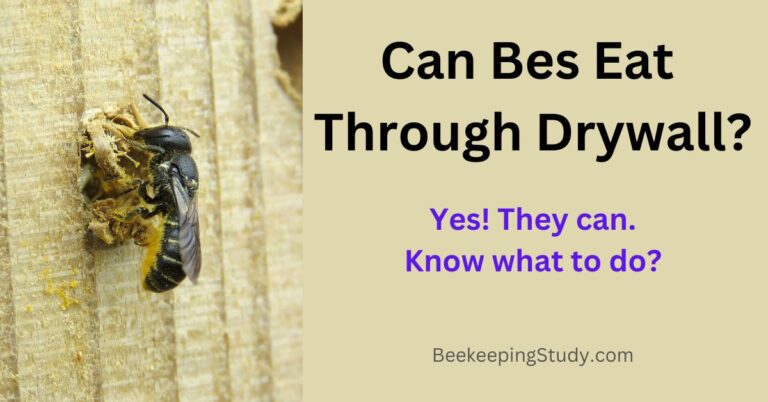
These bees bore into wood to lay their eggs, which can cause significant damage to the wooden materials over time.
If you’re dealing with a carpenter bee problem, I am going to guide you on how to get rid of carpenter bees effectively and permanently.
Understanding Carpenter Bees
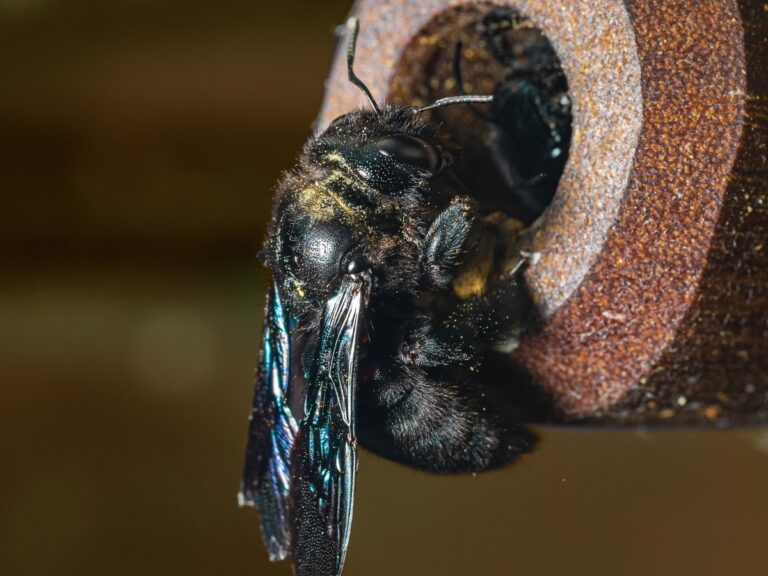
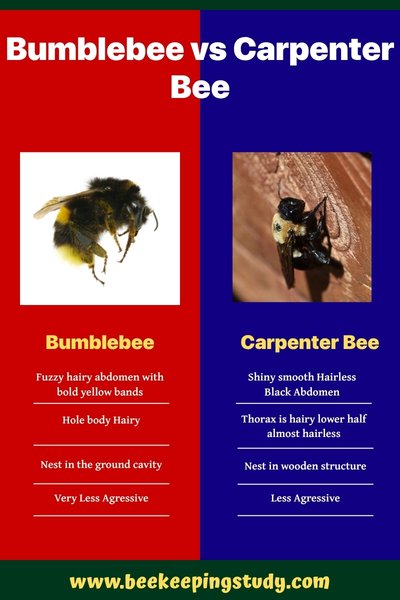
Before diving into the solutions, it’s essential to understand a bit about carpenter bees. These bees are large, with shiny black abdomens. They are often mistaken for bumblebees but are distinct in their solitary nesting habits.
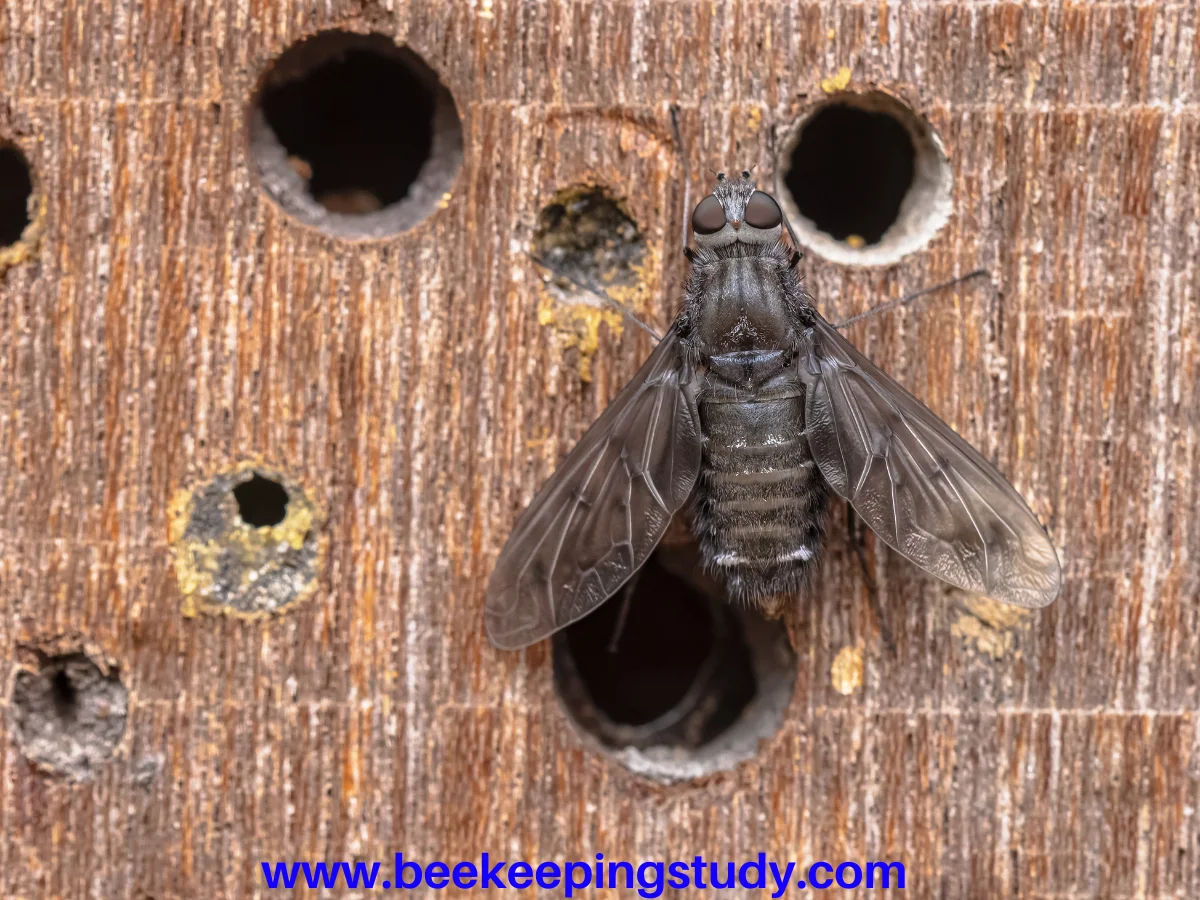
Female carpenter bees bore into wood to create tunnels where they lay their eggs, while males hover nearby to protect the territory.
Though male carpenters may appear aggressive, they are actually not aggressive at all. Male carpenters don’t have any stingers like honey bees.
Despite having a stinger, female carpenter bees are unlikely to sting you. Female carpenter bees will only sting you when you try to squeeze her or try to harm her with direct contact.
When Carpenter Bees Are a Problem
Carpenter bees are not a problem unless they are boring into household wooden materials. In fact, they are helpful pollinators. If they are guest in your garden, this will be a blessing for your garden.
But if they are inside your house, it could be a problem. Carpenter bees can cause structural damage to wooden elements of your home, such as eaves, decks, and fences.
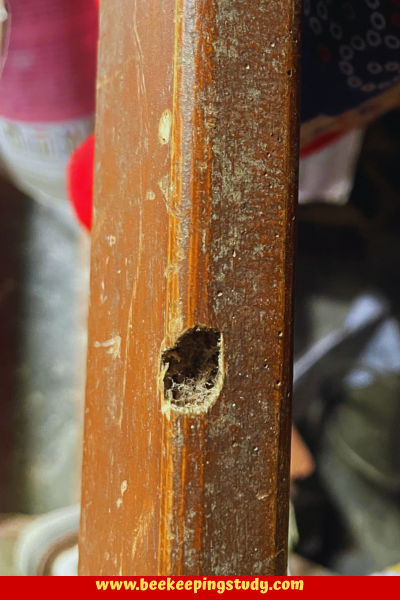
The repeated boring of tunnels weakens the wood, and over time, this can lead to significant damage. In such a situation, you have to take action to cure the wood-eating carpenter bee problem.
Also, if carpenter bees are present inside your house, they may invite woodpeckers. Woodpeckers’ favorite prey is carpenter bees. So, woodpeckers may start boring your house for carpenter bees as well.
If carpenter bees are outside, then don’t be worried about them. Because carpenter bees are harmless.
They also won’t stay long in the same place. This is why you might suddenly see carpenter bees disappear during winter.
Hopefully, you understand that if they are not present inside your house, they are not a problem. Only they are a problem if they nest inside your household.
How to Get Rid of Carpenter Bees
There are several strategies to eliminate carpenter bees, ranging from preventive measures to direct removal.
However, carpenter bees are helpful pollinators. So, please try not to deter them unless they are inside your house. Only remove them if they are in a place you don’t want them.
Here’s a comprehensive approach to tackle the problem effectively.

Non-Chemical Carpenter Bee Elimination Methods
If carpenter bees are already present inside your house, preventative methods won’t work. You have to try to get rid of carpenter bees first.
Note: If winter is near you don’t have to remove carpenter bees. Because carpenter bees hibernate during early winter.
Method #1: Carpenter Bee Traps
Carpenter bee traps are an effective way to capture and remove carpenter bees without using chemicals. These traps attract bees and capture them, allowing you to relocate them away from your home.
Place traps near areas where you see bee activity and don’t want them to be there. You can place the nest in front of your house or inside your house as well.

Method #2: Use a Bee Vacuum
Using a vacuum with a hose attachment, you can remove carpenter bees from their nests. This method is best performed at night when the bees are less active.
Once removed, be sure to seal the holes to prevent re-infestation.
For this process, you should have some knowledge of how a bee vacuum works. Then learn how to remove bees with a bee vacuum.
Bee vacuums are different than normal vacuum cleaners. You can purchase a bee vacuum or make one by yourself.
Method #3: Install Chimes or Place a Speaker
Investigation found that in some cases bees like low-frequency jazz or music. But they don’t like loud music.
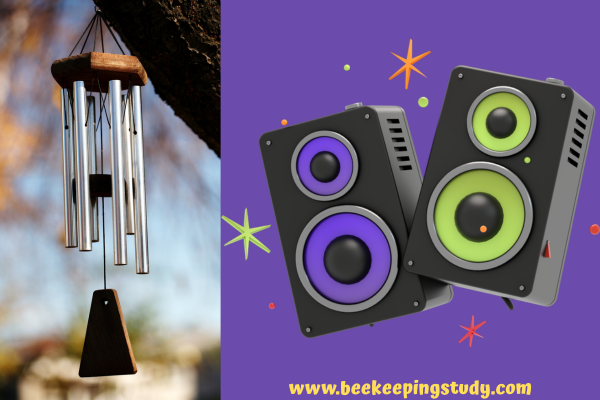
Carpenter bees don’t like vibration. So, you can do any of the following.
- Install chimes inside or in front of your home.
- Play vibrating songs and music during the evening.
- Use any oscillatory machine to create vibration.
In fact, carpenter bees ran away if any heavy music was playing around. So, why not give this method a try?
Method #4: Use Citrus Essential Oil or Plant More Citrus Trees
Citrus is an excellent repellent for all kinds of ground bees, including carpenter bees. The strong scents made with citrus fruits or plants.
So, purchase essential oil containing citrus such as orange, tangelo, grapefruit, pomelo, citron, papeda, lemon, etc.
This is actually a great natural carpenter bee repellent without killing them. Follow the steps below.
- Mix citrus essential oil with cinnamon and water.
- Pour it into a spray bottle.
- Shake well to mix properly.
- Then spray it twice daily in the place where you found carpenter bees.
You can also plant more and more citrus plants in front of your house as well. This will discourage carpenter bees from creating nests around your house.
Chemical Carpenter Bee Removal Methods
These are not recommended for everyone. I would like to request that you first try the previous methods. If those methods don’t work, then you can try the following methods to get rid of carpenter bees.
Method #5: Vinegar Mixture
You can use an aqueous solution of vinegar as a carpenter bee spray. However, don’t apply it directly upon carpenter bees.
- Mix vinegar and water to make a carpenter bee spray.
- Then spray it directly into the entrance of the carpenter bee nest.
- Don’t spray directly upon carpenter bees, as this can be deadly.
Carpenter bees don’t like the smell of vinegar, so they will run away.
Method #6: Insecticidal Dust
Insecticidal dust can be an effective solution for severe infestations. Apply the dust directly into the nest entrance.
The bees will carry the dust throughout the nest, which will help eliminate the population.
It’s often best to consult a pest control professional for this method to ensure safe and effective application.
Hopefully, these methods will help you to deal with your carpenter bee problem. There are also plenty of other methods to get rid of carpenter bees. Such as using bug-a-salt or bleach water as a carpenter bee spray.
I always recommend trying preventive methods instead of elimination methods. As they are helpful pollinators, kindly don’t kill them.
Preventive Measures
Prevention is better than elimination. Carpenter bees are helpful for our ecosystem. Thus, we shouldn’t kill them. We just have to keep them away from our household materials.
Also, removing them once doesn’t guarantee they are gone forever. They can come back in every season. This is why we have to take action to prevent carpenter bees from returning again.
Here are a few effective preventive measures for carpenter bees. Try to apply these before or during early spring.
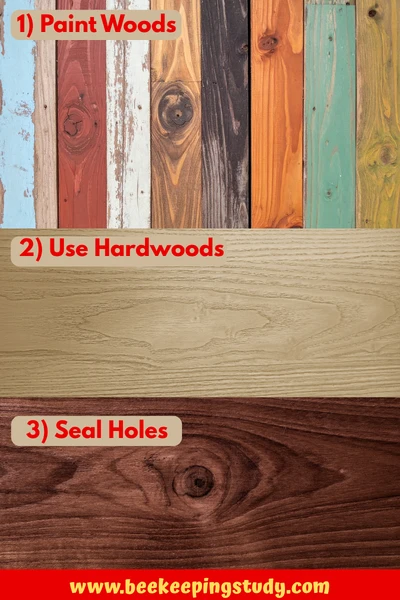
Method #1: Paint or Varnish Wood
Carpenter bees prefer untreated, unpainted wood. Painting or varnishing wooden surfaces can deter them from boring into these areas. This simple step can significantly reduce the likelihood of an infestation.
Method #2: Use Hardwood
Whenever possible, use hardwoods for outdoor construction. Carpenter bees prefer softer woods like pine and cedar. Hardwoods are less appealing to them and can help prevent nesting.
Method #3: Seal Existing Holes
If you notice any existing holes, seal them with wood putty or caulk. This prevents bees from reusing old nests and encourages them to look elsewhere for nesting sites.
Method #4: Provide Nesting Site
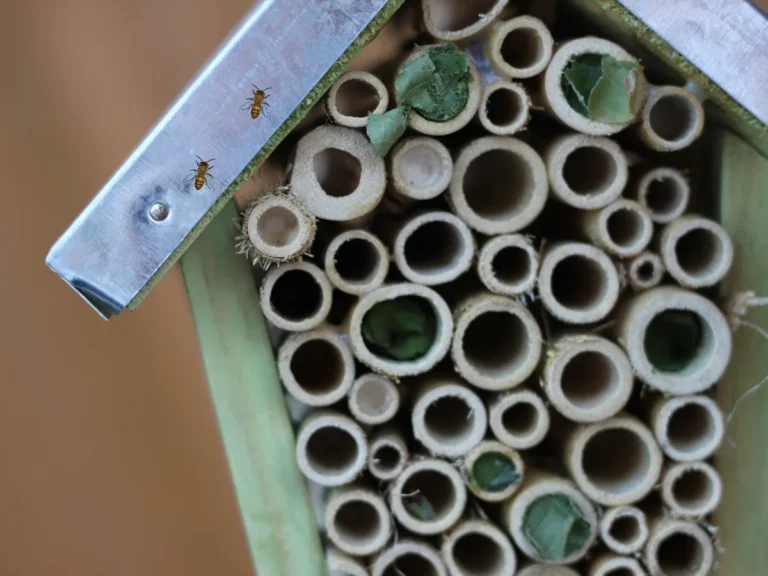
This is the best preventative method to keep carpenter bees away. If you have old wooden materials or large rocks, place them in your garden. Having carpenter bees in your garden will boost blossoms and other productions.
Also, carpenter bees will be happy having an alternative suitable nesting. They won’t come inside your house. You can provide suitable nesting sites to keep carpenter bees out of your house.
Repairing Damage Caused by Carpenter Bees
Once you have dealt with the carpenter bees, it’s essential to repair any damage they have caused to prevent future infestations and maintain the integrity of your home.
- Filling Holes: Fill any holes with wood putty or caulk to restore the surface and prevent other insects from using the same holes. After filling the holes, repaint or varnish the surface for added protection.
- Replacing Damaged Wood: In cases of extensive damage, you may need to replace the affected wood. Use hardwoods or treated wood to reduce the risk of future infestations. Regularly inspect your property for signs of new activity to catch problems early.
Cure Carpenter Bees Don’t Kill Them
Knowing how to get rid of carpenter bees involves a combination of preventive measures, non-chemical methods, and, if necessary, chemical treatments.
However, as they are helpful for us, we shouldn’t kill them. By understanding their behavior and taking proactive steps, you can protect your home from damage while still appreciating the role these bees play in nature.
Remember to repair any damage they cause and regularly inspect your property to keep it bee-free.
Whatever you are doing, don’t kill bees. Because we should contribute to helping bees, not kill them.