This post might be created with help from AI tools and carefully reviewed by a human (Anthor Kumar Das). For more on how we use AI on this site, check out our Editorial Policy.
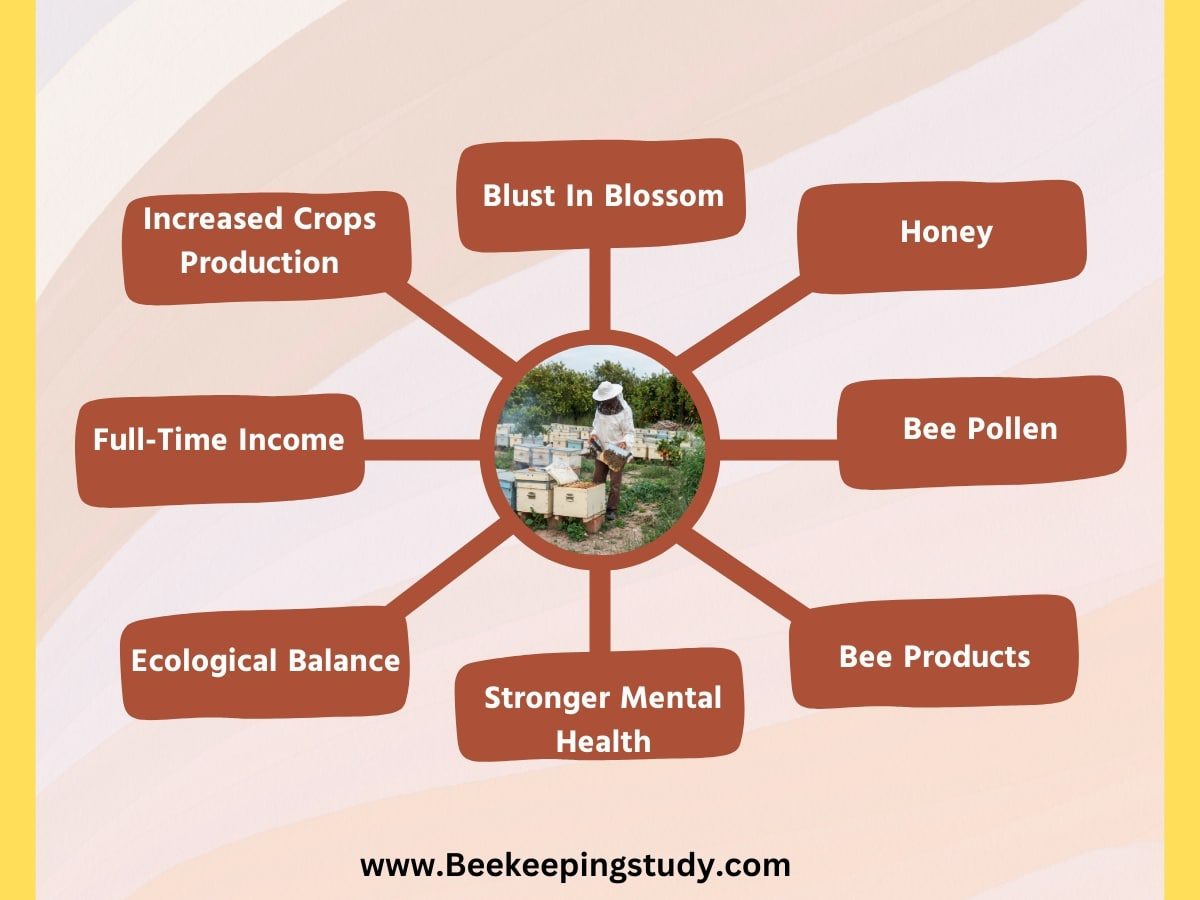
15 Major Benefits Of Beekeeping
Bees are the greatest pollinators. They contribute a lot to the global food chain. But for beekeepers, what are the major benefits of beekeeping?
Besides pollination, there are countless benefits of beekeeping, including honey, propolis, wax, life lessons, and health benefits.
From the larvae to the queen, each and every bee of a colony will benefit you as a beekeeper. Thus, keeping bees means contributing to the global ecosystem. Let’s dive into the 15 major benefits of beekeeping.
1) Enhanced Crops Production
Bees are capable of foraging miles away from their colony. During foraging, they participate in pollination. Because of pollination by bees, crop production also increases.
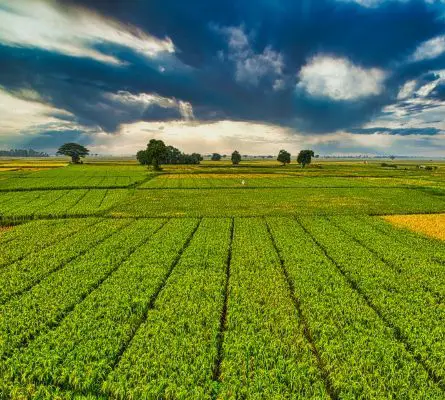
In the United States, most farmers start beekeeping as a part-time work besides farming. It is often found that crop production increases by up to 300% with bees than without bees.
So, you can understand how beneficial beekeeping would be for agriculture. If you can place your apiary in a crop field, you don’t have to provide extra food to your bees, either.
2) Blossom Blast for Garden
Bees are attracted to various flowers to collect nectar. During their foraging in a garden, they also perform pollination on various plants. So, you will see a blast in blossom and fruit production in your garden.

You will also discover new, diverse flowers and other plants in your garden. Because there is a chance that bees collect pollen from a flower and leave it on a flower of a different type.
Bees will attract other flying insects and animals to your garden, too. I have seen birds, butterflies, and dragonflies traffic increase in my garden after I started beekeeping.
Bees will attract other flying insects and animals to your garden, too. I have seen birds, butterflies, and dragonflies traffic increase in my garden after I started beekeeping.
3) Honey
Honey is one of the most nutritious foods ever found. It is also called “Honey is the cure for all diseases”. So, you can understand how many health benefits honey contains.
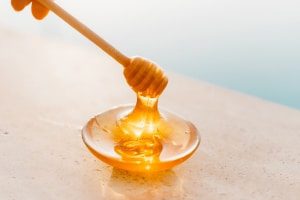
Bees store honey to survive the winter, as they won’t go outside during winter. So, honey keeps them warm and energetic during harsh environments. Honey also helps to grow children’s mental health and strength.
Beekeepers can extract excess honey from beehives. This honey will be undoubtedly 100% solid. Most of the honey found in the supermarket is not 100% solid. The main aim of most beekeepers is to extract excess honey for their family.
4) Royal Jelly
Worker bees feed royal jelly to the bee brood, which they select as their future queen. As you know, the queen bee is the main head of a honey bee colony. Queen runs the entire colony. Also, she is the only woman who is capable of laying fertilized eggs.
This is why worker bees feed the younger queen a special jelly known as royal jelly. This increases her strength and reproduction capabilities.
Some humans reported that royal jelly enhances human mating ability. There are so many other benefits of royal jelly for the overall health of a human.
5) Bee Pollen
Bee pollen is popular among humans. Most women use bee pollen for several purposes.
Bee pollen is the small, round pellets that bees collect from flowers and crops. They produce honey from these bee pollens and nectars of flowers.
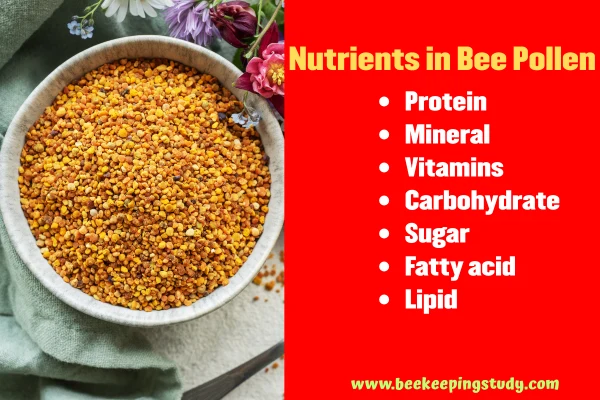
Beekeepers uses pollen trap to extract a portion of bee pollen when workers are about to enter the hive. Bee pollens help to cure dog allergies.
Bee pollen has plenty of benefits for men and women. Bee pollen helps to enhance the overall immunity of humans and other pets.
6) Beeswax And Candle
Bees produce natural wax to build their hive. We all know these waxes are used to produce candles. If you are a beekeeper, you can also produce candles from beeswax.
Besides, you can produce cosmetics, health care products, etc from beeswax. Beeswax wraps are also becoming popular day by day to store foods.
7) Propolis
Propolis is also one of the finest health products collected from the beehive. Propolis has numerous health benefits. It is used to generate medicines for different diseases.
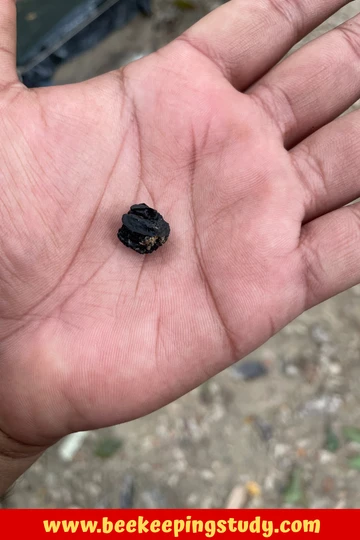
Propolis supplements attracted attention in recent years due to it’s large scale health benefits. Propolis is also used as a nutritional supplement for pets, including cattle, goats, dogs, cats, pigs, sheep, and many more.
8) Health Benefits
Have you ever seen beekeepers getting stung by bees but not showing any reaction? How do they do?
Because with time, they gain immunity to bee stings. It obviously takes a lot of time and practice.
It is not suggested for normal people to get stung by bees intentionally to gain immunity. Because bee swarms can be dangerous if you try to disturb them.
Beekeepers gain immunity to bee stings because they practice proper hive management. With time, beekeepers also learned how not to get stung quite often.
Mental Health Benefits Of Beekeeping
Beekeepers are usually mentally stronger than normal people. Beekeepers spend more time with bees. They learn so many things from bee’s life, and how things go in a honey bee colony.
They learn how to help bees in harsh environments. Beekeepers also become able to interact with bees without getting stung. This makes a beekeeper stronger mentally and physically.
9) Child’s Development & Mental Growth
We know kids learn from their environment. Their mental growth depends on the overall things they interact with and see around them.
If a kid from his childhood spends even a little time regularly observing a bee’s lifestyle, he becomes mentally stronger than other kids.

Because the early age is the most curious. Children are more curious to learn new things. Children learn how to survive in the worst situations from the bees’ lives.
They also learn how to keep unity and work hard from a honey bee colony. Overall, spending time around a honey bee colony will effectively enhance the mental health of a child.
10) Life Lesson
Honey bee lives in a democratic colonial life. There are mainly 3 types of bees in a colony.
- Queen.
- Drone.
- Workers.
The queen is the only reproductive person in the colony. She leads the entire colony. Drones participate in mating flight with the queen. Workers do the rest to learn the colony.
A honey bee colony is a great example of a perfect democratic society comparable to our modern society. A honey bee colony helps us to learn
- How to survive.
- How to defend against the enemy.
- How to work together without any quarrel.
- How to handle the worst situations strongly.
There are countless life lessons that a human can get from a honey bee colony.
11) Full-Time Income Source
There are over 100 million commercial beehives found all over the world. The main aim of commercial beekeepers is to make a decent amount of money through beekeeping.
Beekeepers can make money from plenty of sources through beekeeping. Selling honey, bee pollen, wax, royal jelly, and other bee products. Beekeepers can also make money by providing pollination services.
There are plenty of ways to make money from beekeeping. Beekeeping has become an excellent full-time income source. A Commercial beekeeper with the proper plan can generate a profit of more than 1000$ per month.
12) Helping To Keep Ecological Balance
Bees are helping to keep the balance in our ecosystem. They are contributing a huge portion to the human food bank every year. They also provide food sources to other predators.
Bees are responsible for keeping biodiversity all over the world. They are natural cleaner that removes dust and rotten fruits.
So, if you are keeping bees, you are directly helping to keep the ecological balance of the world. You are helping to keep biodiversity in your region.
13) Less Expensive Hobby
Honey farming is a rewarding hobby that doesn’t require tons of money to get started. With a proper plan, the cost of beekeeping is only a few hundred bucks.
Other hobbies such as fishing, bungee jumping, cow farming, etc requires more money and effort. On the other hand, beekeeping doesn’t require much time to manage bees.
Bees do most of the work by themselves. Beekeepers have to inspect the hives only 2-3 times per month and help bees only when bees are needed.
Bee farming is an excellent and rewarding hobby for people of all ages. It gives you pleasure, healthy foods, life lessons, and, of course, money!
The major cost of beekeeping depends on the cost of a beehive with bees. You can manage other things easily. Don’t worry, bees will return you more than you are paying them very soon.
14) Building a Community
When you are in beekeeping, you will communicate with other beekeepers for many reasons. When I started beekeeping, I had to communicate with local beekeepers.
Over the years, I have actively participated in discussions related to beekeeping in beekeeping-related forums, Facebook groups, and local communities. Due to beekeeping, I got familiar with beekeepers all over the world, including the United States, the UK, Russia, India, and Australia.
Every day, I am in touch with beekeepers from multiple regions. I am learning from them about honey farming and beekeeping daily.
So, when you are in beekeeping, you will be building a similar community that can include me as well.
15) We Need Bees & They Need US
Undoubtedly, bees are helping us in plenty of different ways. So, we should help them as well. Bees are declining for several reasons.
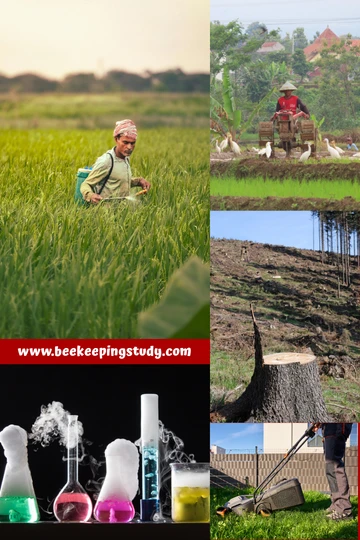
Human Practices Causing Honey Bee Decline
Here is the list of human practices that are causing the honey bee decline.
- Heavy pesticide use: Damages bees’ nervous systems, weakens immunity, and leads to colony collapse.
- Use of neonicotinoid chemicals: Contaminates pollen and nectar, causing disorientation and poor queen health.
- Large-scale monoculture farming: Creates short-term food supply followed by long periods of starvation.
- Deforestation and land clearing: Destroys natural forage and nesting habitats.
- Chemical lawn treatments: Kills beneficial flowering weeds like clover that bees rely on.
How We Can Help Bees
There are plenty of options we can use to help bees besides involving into beekeeping. Here are a few ideas we can easily do to help bees.
- Plant diverse native flowers that bloom from early spring to late fall to provide continuous food.
- Avoid using chemical pesticides and herbicides in gardens and lawns.
- Leave small areas of your yard wild to create natural forage and shelter.
- Provide a shallow water source with stones for safe bee access.
- Support local beekeepers by purchasing responsibly harvested honey.
- Encourage farmers and communities to adopt pollinator-friendly practices.
- Educate others about the importance of protecting honey bees and other pollinators.
Frequently Asked Questions
Bees teach us how to build a healthy and stronger society. How to fight against odds. How to keep unity among all the people in a society, and so on. Beekeeping helps to keep an overall balance in the world's ecosystem. A beekeeper is mentally stronger than other people. Beekeeping also provides a helpful income to make a better living. Honey, wax, and pollen collected from a beehive are used to produce skin care products. Because bee products contain anti-oxidants and so many helpful elements for good skin. So, undoubtedly elements of beehives are really good for the skin.What do bees teach us about life?
What are the advantages of beekeeping?
Is bee hive good for skin?
What Next for You?
Hopefully, you learned the major benefits of beekeeping. But these are not the only benefits of keeping bees. The benefits of beekeeping are countless.
Don’t think much about the benefits, start keeping bees to enhance the overall health of the world. Beekeeping will bless you in plenty of ways.
Want to dive into beekeeping? Check the article to know where to learn beekeeping.