This post might be created with help from AI tools and carefully reviewed by a human (Anthor Kumar Das). For more on how we use AI on this site, check out our Editorial Policy.
How Much Does Beekeeping Cost To Get Started
Apiculture has been a great habit for humans since before the Ancient era. However, among beginners, the first common question is, “How much does beekeeping cost to get started?”
- Typically in the first year with 1 hive you will require 300$ to 1200$ to get started with beekeeping based on your region.
- However, $650-$1200 is the average cost of beekeeping for beginners in USA and UK.
The amount of beekeeping cost greatly varies depending on which region you are living in, how you manage bees, no. hives, and other necessary tools to get things started.
In this post, I will try to cover:
- How much does beekeeping cost for the first year?
- Approximate cost for the upcoming years.
- Cost saving tips for beginners.
- 1 hive vs 2 hive decision for beginners.
- How to Access My Beekeeping Cost Calculator Tool for Free.
Remember, this beekeeping cost calculation is approximate. It will actually depend on the price of each of these things in your region.
Is Beekeeping An Expensive Hobby?
If you are smart enough and try to manage some equipment at a low cost, beekeeping won’t be an expensive hobby. If you want to purchase everything to get started with beekeeping, it might require around 400$ – 800$ to get started.
So, it will actually depend on your goal of beekeeping and your beekeeping material management technique. For example, first of all, you have to learn the basics of beekeeping to get started.
You can either purchase a course or learn it from YouTube or blogs on how to start beekeeping.
So, to get a course, you will have to pay. If you learn from YouTube, blogs, or beekeeping social media communities, it doesn’t require any money.
So, it will totally depend on your approach and how you are managing things around. There are some unavoidable costs like purchasing hive tools, protective gear, and so on, which you can’t ignore.
Thus, we can conclude that beekeeping is a budget-friendly hobby to get started, not too expensive.
Is It Expensive To Get Started With A Single Hive?
Getting started with a single hive is not expensive, as it requires a small space and minimal maintenance costs. You will require protective gear, a nuc of bees, a hive, and hive tools. So, the cost won’t be much.
If you can manage well, you can even get started with a single hive for as little as around 400$. If you can follow my tips on how to reduce your beekeeping costs.
How Much Does Beekeeping Cost for The First Year
The first year is the expensive one because you are buying tools and woodenware that you will reuse for years. Beekeepers in Asia or Africa don’t require too much money.
However, beekeepers in the USA and the UK are a bit expensive compared to other regions. So, this guide will provide the researched data about “how much does beekeeping cost in the USA and the UK region“.
Your exact total cost depends on 3 choices:
- Bees (package vs nuc),
- Hive style and how “complete” your hive kit is
- Whether you buy honey extraction equipment or borrow it from a local association.
Note: Additionally apiary setup cost depends on where you are placing your beehives. Choose the ideal location to place your beehive in order to reduce setup cost.
Below is a practical, beginner-focused first-year cost breakdown for USA and UK beekeepers, using current “typical” prices you will commonly see online.
Thus, offline prices may vary. It might be a bit cheaper if you can purchase from local beekeeping tool suppliers.
1) Bees and Queen
This is your biggest “one-time per hive” cost in year one. Many beginners do better with a nuc because it already has brood and drawn comb, but packages can be cheaper.
| What you are buying | USA typical (USD) | UK typical (GBP) | Notes for beginners |
|---|---|---|---|
| 3 lb package bees (with queen) | $150-$200 | Not common in many areas | Cheaper up front, but often takes longer to build up. |
| 5-frame nuc (nucleus colony) | $220-$260 | £250 – £350 | Usually, starts easier, but costs more, and availability can be limited. |
Beginner note
- If you are only starting with 1 hive, many beekeepers recommend budgeting for a nuc because it can get established faster. The nuc to hive transportation is easier and beginner-friendly.
- If you start with 2 hives, your cost rises, but your learning speed and “backup options” improve a lot. You can go with 1 bee nuc and 1 package bees or a nuc with a packaged queen.
2) How Much Does a Bee Hive Cost (The Hive Setup)
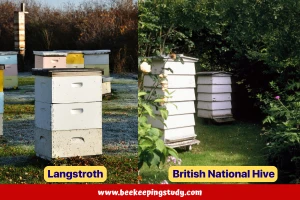
This is another huge, important thing to consider. Because the beehive prices vary extensively depending on what type of hives you are going to have. Based on the type of hive, other necessary tools and care will also vary.
Common hive types and starter kits
Most USA beginners start with a Langstroth (10-frame is common). Most UK beginners start with a British National.
| Hive type | USA typical (USD) | UK typical (GBP) | What it usually includes |
|---|---|---|---|
| Langstroth 10-frame starter kit (budget, unassembled) | $129.95 | N/A | Often includes boxes and basics, but may require assembly and add-ons. |
| Langstroth 10-frame starter kit (more complete range) | $219.95 to $273.95 | N/A | “More complete” kits may include more boxes, frames, and inner/outer covers. |
| British National hive (value wooden hive with 2 supers, example pricing) | N/A | From £149.99 | Often sold as a “value” hive. Check if frames, foundation, and floor are included. |
| British National hive starter kit (example pricing) | N/A | Around £261.19 | A more “starter kit” style option. Always verify exactly what is included. |
Extra boxes and frames you often need in year one
Even with a decent kit, many beginners end up buying at least one extra “box worth” of frames, plus one extra box for expansion or honey storage.
| Expansion item | USA typical (USD) | UK typical (GBP) | Why you might need it in year one |
|---|---|---|---|
| Deep frames (10-pack), unassembled | $19.95 to $23.69 | £15.50 to £18.80 | Great for repairs, quick swaps, and adding space as the colony grows. |
Note: Sometimes you might need a queen in a cage for requeening a beehive. So, consider a few extra bucks for this.
3) Protective Clothing (the “do not skip” category)
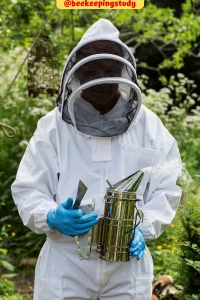
If you buy fewer things in year one, do not cut corners here. Calm inspections save colonies and save your stress.
| Protective item | USA typical (USD) | UK typical (GBP) | Beginner guidance |
|---|---|---|---|
| Full beekeeping suit (entry level) | $154.95 ($150-$160) | £192 | A full suit is simple and forgiving for first-year mistakes. |
| Full ventilated suit (upgrade) | $259 ($250-$280) | £180-£220 | Worth it in hot climates or if you overheat easily. |
| Goatskin-style gloves (typical) | About $29.89 ($25-30$) | £20-£35 | Many beginners start with gloves, then later switch to thinner gloves for dexterity. |
4) Core Tools for Inspections
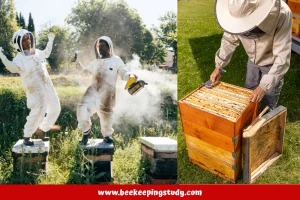
These are the basic tools you will use constantly. You do not need 20 tools. You need a few good ones.
| Tool | USA typical (USD) | UK typical (GBP) | What it does |
|---|---|---|---|
| Smoker (basic stainless) | $48.95 | £13.85 | Helps calm bees so you can inspect safely. |
| Smoker (upgrade example, with shield) | Varies | £70.50 | More comfortable in frequent use and reduces burn risk. |
| Hive tool (budget) | $8.95 | £3.85 | Prying boxes and frames apart, scraping propolis and wax. |
| Hive tool (premium example) | Varies | £9.20 | A stronger tool can feel nicer if you have sticky propolis-heavy colonies. |
These are the tools that will help you to inspect beehives easily in different seasons.
5) Feeding Supplies (first season and winter prep)
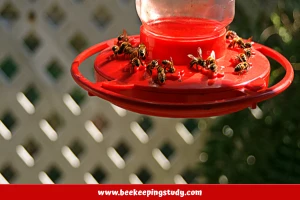
Feeding is very location-dependent. A wet spring, a dearth, or a poor nectar flow can force you to feed when you did not plan to.
| Feeding item | USA typical (USD) | UK typical (GBP) | Notes |
|---|---|---|---|
| Top feeder (10-frame example pricing) | $39 ($30-$45) | N/A | Easy to refill and beginner-friendly. |
| Rapid feeder (basic) | N/A | £3.50 (£3-£5) | A very common low-cost option in the UK. |
| Granulated sugar (bulk bag example pricing) | $19.97 (25 lb) | £17 (25 kg) | Many beginners budget at least 1 bag, sometimes 2 depending on season and winter needs. |
6) Health Monitoring and Treatments (Varroa-focused)
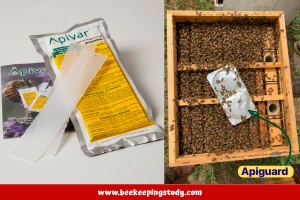
Most first-year colonies still need mite monitoring and, in many areas, a treatment plan. Use products that are legal in your country, and follow label instructions. Local association advice matters here.
| Item | USA typical (USD) | UK typical (GBP) | Notes |
|---|---|---|---|
| Apivar (example pricing) | $33.95 ($30-$40) | £30 | Pricing depends on pack size and vendor. |
| Apiguard (10 trays, example pricing) | Varies | £29 | Common treatment option in the UK. |
| Api-Bioxal (example pricing) | Varies | £16 | Often used as part of a seasonal plan, depending on local guidance. |
7) Honey Harvest and Bottling (buy vs borrow)
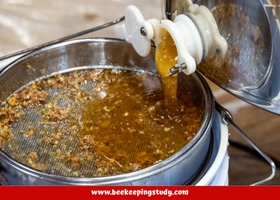
Many beginners do not need to buy an extractor in year one. A local club often has one you can borrow. If you want to keep costs low, plan a “borrow” path first.
| Harvest path | USA typical (USD) | UK typical (GBP) | Who it is best for |
|---|---|---|---|
| Manual extractor (2-frame example pricing) | $500 | £160 | Best if you want your own gear and expect to harvest regularly. |
| Borrow extractor from local association | Often low cost | Often low cost | Best first-year strategy for most beginners. |
8) Winterization Costs
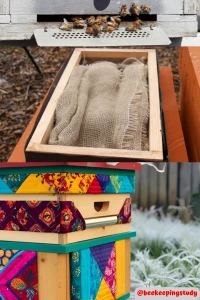
Winterizing a hive is very climate-dependent. Some areas need only a simple windbreak and a mouse guard.
Colder and wetter regions may need insulation, a beehive moisture board or quilt box, and extra strapping. The good news is that many winter items are reusable for several seasons.
So, here is a basic cost guide for beehive winterization in colder regions.
| Winter item | USA typical (USD) | UK typical (GBP) | Why beginners use it |
|---|---|---|---|
| Mouse guard / entrance reducer | $8 to $20 | £5 to £15 | Stops mice from moving into the hive and chewing comb. |
| Hive strap or ratchet strap | $8 to $18 | £6 to £14 | Prevents lid lift in storms and keeps boxes tight. |
| Insulation wrap (foam wrap or commercial hive wrap) | $20 to $60 | £15 to £45 | Helps reduce wind chill and temperature swings in colder areas. |
| Moisture control (quilt box, insulation board, or absorbent material) | $10 to $40 | £8 to £35 | Moisture is a bigger risk than cold in many regions. This helps prevent condensation drip. |
| Windbreak option (simple fence panel, tarp setup, or site screening) | $0 to $50 | £0 to £40 | Reduces direct wind exposure. Many people use what they already have. |
Quick winter budget by climate (per hive)
- Mild winters: around $15 to $40 (or £10 to £35). Mostly mouse guard and strapping.
- Cold or windy winters: around $40 to $120 (or £30 to £90). Adds insulation and moisture control.
- Harsh winters: around $80 to $180 (or £60 to £140). More insulation, better windbreak, and extra securing.
Expert Tip: Winterization is one area where local advice matters. If you have a beekeeping association nearby, copy their local winter checklist and price only the items you truly need.
First-year total estimates (1 hive)
These totals are “starter reality” numbers for a single hive and a typical season. Add a buffer for small extras like bee smoker pellets or fuel, frame nails, syrup storage, hive straps, or a simple hive stand.
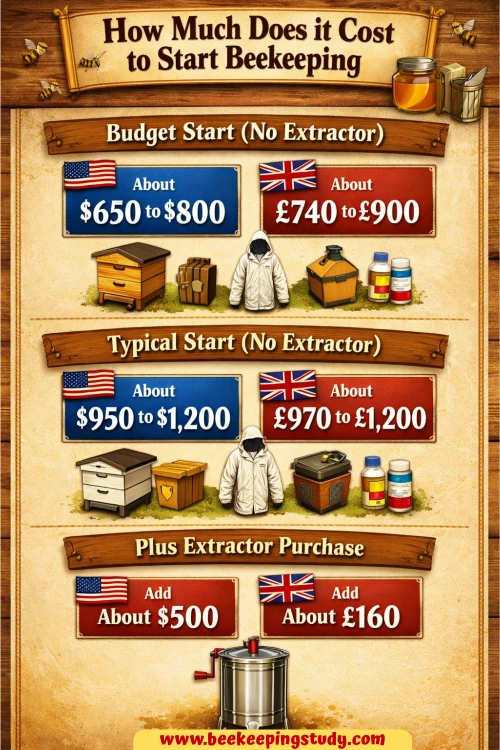
So, here is an approximation of how much does beekeeping costs to get started.
| Scenario (1 hive) | USA estimate (USD) | UK estimate (GBP) | What this assumes |
|---|---|---|---|
| Budget start (no extractor purchase) | About $650 to $800 | About £740 to £900 | Budget hive kit, basic suit, basic tools, basic feeding, one main mite treatment. |
| Typical start (no extractor purchase) | About $950 to $1,200 | About £970 to £1,200 | Nuc start, more comfortable suit, a few extras, and a more complete mite plan. |
| Typical start plus extractor purchase | Add about $500 | Add about £160 | Buying a manual extractor instead of borrowing one. |
Good News! I have prepared a beekeeping startup cost calculator. You can use this calculator to easily estimate how much does beekeeping cost to get started.
Factors On Which Beekeeping Cost Depends
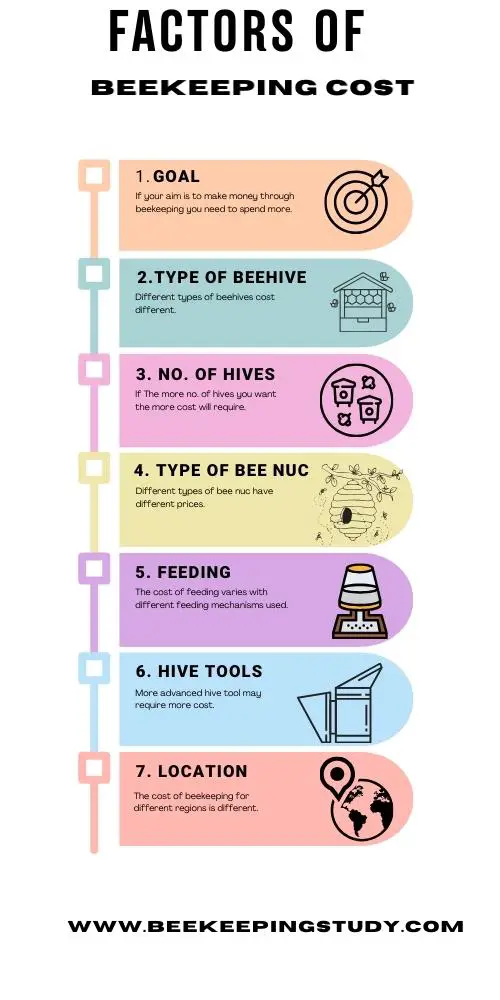
Beekeeping costs can vary for different people. Your required cost to start with beekeeping depends on the common factors.
- Geographic Location: In different locations, equipment costs are different.
- Education: Before starting your first hive, you must learn basic beekeeping and hive maintenance techniques. You can purchase a course. Or learn from YouTube, blogs, online forums, and social media communities free of cost.
- No. Of Hives: If you want to get started with a large no of hives, you will require more space and maintenance. So, you will require more cost for beekeeping. Selecting the right no. of hives to get started in beekeeping is really important. Per hive, you can expect around 100$ to 250$.
- Type Of Bees: Obviously, bees are the must-have thing for beekeeping. Selecting the right type of honey bees to get started in beekeeping is also vital. So, a bee nuc cost will vary depending on the type of bee.
- Type Of Beehive: Obviously, different types of beehives require different costs. A Langstroth hive price started from 50$ to 250$ on average, and a top bar hive started from 50$ to 150$ on average.
- Mite Treatment: Different regions have different mite infections. Also, the frequency of bee diseases varies for different geographic locations. You can contact your local beekeepers to get an idea about mites in your region. So, depending on the risk of mite attack and the type of mites in your region, you have to keep a budget for mite treatment before you get started in beekeeping.
- Honey Extraction: Different honey extraction techniques require different equipment, like extractors, filters, jars, etc. For large-scale honey production, you may require a honey warming cabinet to prevent honey from crystallization. You can ignore this from your first year budget.
- Your Goal: If you want to keep bees for commercial purposes, obviously, you will require more people and maintenance. So, the cost will be higher. To get started as an intent of hobby, you might not require very advanced tools, so the cost will be comparatively lower.
- Feeding Mechanism: Different feeding mechanisms require different costs. In some cases, you might not need to provide sugar syrup. For example, if your hive is inside a crop field, bees will collect pollen as they require on their own. So, you don’t have to feed them in such situations.
So, for beekeepers of different regions, and depending on your goal, your beekeeping cost will be different.
There is no exact prediction of the beekeeping cost. But we can predict that as a beginner in the United States, you may require 650$ to 1200$ to get started with your first apiary.
Approximate Cost to Expect in The Upcoming Years
After the first year, your costs usually drop a lot because the big purchases (hive bodies, suit, smoker, tools) are already done. From year 2 onward, most of your spending is “repeat” costs like feeding, mite control, and replacing worn-out parts.
The numbers below are per hive and meant as practical planning ranges for USA and UK hobby beekeepers.
If you treat beekeeping like a business and count your time (labor), your “true cost” is higher.
A university-style budget from Missouri Extension shows how labor can become the highest annual cost when it is included.
What You Usually Pay for Every Year (per hive)
Here is the repetitive cost estimation for the upcoming years for beekeeping.
1) Colony health and mite management
This is the category most experienced beekeepers will not skip. Your exact spend depends on your approach, product choice, and local pressure.
- USA: about $20 to $80 per year (treatments and monitoring supplies, varies by method and product).
- UK: often around £15 to £20 per year for Varroa treatment in many hobby setups.
2) Feeding (spring build-up, dearths, and winter insurance)
Some years you feed very little. In other years, you feed a lot. Plan for “some feeding” so you are not caught off guard.
- USA: roughly $25 to $200 per year, depending on nectar flow and winter needs. Missouri Extension’s budget includes sugar and pollen patties as a recurring operating cost.
- UK: around £50 per hive per year is a common estimate from UK beekeeping writers, but it can be less or more depending on forage and weather.
3) Frames, foundation, and small hive parts
Old comb gets dark, heavy, and can become a problem over time. Most beekeepers gradually cycle out frames. This cost is easy to forget, but it keeps your hive healthier long-term.
- USA: about $20 to $70 per year for replacement frames and foundation (more if you replace a lot at once).
- UK: a real-world example budget from a UK beekeeper lists “frames and foundation” as a recurring annual cost category.
4) Maintenance, repairs, and weather protection
- USA: about $10 to $60 per year (paint touch-ups, straps, replacement lids, small repairs).
- UK: similar pattern, with small yearly spends plus occasional bigger replacements.
5) Queen replacement (not every year, but plan for it)
Some colonies requeen themselves. Some do not. A weak queen can slow the colony down, reduce honey, and increase the risk of failure.
Also, if the hive becomes queenless in winter, it might die soon. Thus, requeening a queenless hive is a crucial part of beekeeping.
It is smart to budget for an occasional replacement.
- USA: mated queens are commonly priced in the $24 to $75 range (varies a lot by breeder and timing).
- UK: prices vary widely by source and type, so most UK hobbyists plan a buffer rather than a fixed number.
6) Jars, labels, and basic bottling supplies (only if you sell or gift honey)
If you borrow an extractor and only jar a small amount, this can stay low. If you sell regularly, it becomes a predictable yearly expense.
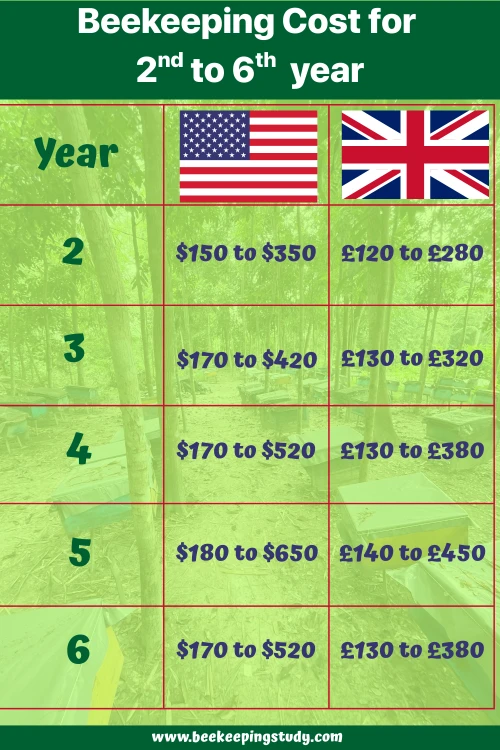
A Simple 5 Year Beekeeping Cost Projection (Years 2 to 6)
This assumes you keep the same number of hives and you are not buying major new equipment like an extractor, a heated room, or extra stacks of boxes for expansion. It also assumes normal maintenance, not a major disaster year.
| Year | USA hobby cash cost (USD) | UK hobby cash cost (GBP) | What drives the cost most years |
|---|---|---|---|
| Year 2 | $150 to $350 | £120 to £280 | Feed, mite plan, a few frames, small repairs. |
| Year 3 | $170 to $420 | £130 to £320 | Similar to Year 2, plus more frame cycling as comb ages. |
| Year 4 | $170 to $520 | £130 to £380 | Same recurring costs, plus a higher chance you buy a replacement queen. |
| Year 5 | $180 to $650 | £140 to £450 | Potential colony replacement if you have a winter loss, plus normal annual costs. |
| Year 6 | $170 to $520 | £130 to £380 | Back to a “normal” year if you are not replacing major gear. |
Important reality check: If you treat your own time as a cost, “total cost” rises sharply. A Missouri Extension planning budget shows labor as a major operating cost when counted like a business.
When Can Beekeeping Start Paying You Back?
At the beginning, you can’t expect almost anything from your apiary. However, you can start earning with time.
Beekeeping earnings calculation will also depend on several factors. Here is a simple breakdown of how much you can expect to earn from beekeeping.
Year 1 income is often low or zero
Many new beekeepers are advised not to harvest honey in the first year, especially with a package, because the colony is still building comb and stores. Some people do get a small crop in a strong season, but it is not guaranteed.
Years 2 to 3 are when “break-even” often starts showing up
This is where real-world beekeeper comments are useful. A common theme is that honey money often covers ongoing costs, while bigger gains come from selling bees (like nucs) once you have strong colonies.
“Profits from honey usually mean my hives break even… Primary income comes from selling nucs in spring.”
That is a typical sentiment from experienced hobbyists discussing profitability.
On UK forums, you will also see experienced beekeepers describing low outgoings once established, and that honey plus nucs can put them comfortably above break-even in good years.
Common ways hobby beekeepers earn money (when they choose to)
Here are the most common ways by which hobbyist beekeepers earn from their colony.
- Honey sales: Works best when you sell retail and keep packaging costs under control.
- Nucs or splits: Often cited as a stronger income lever than honey once you have the skills and healthy colonies.
- Beeswax: Small income, but it adds up, and some budgets include it as a planned product.
My honest expectation for most beginners
In reality, here is what you can expect from the first few years of your beekeeping journey.
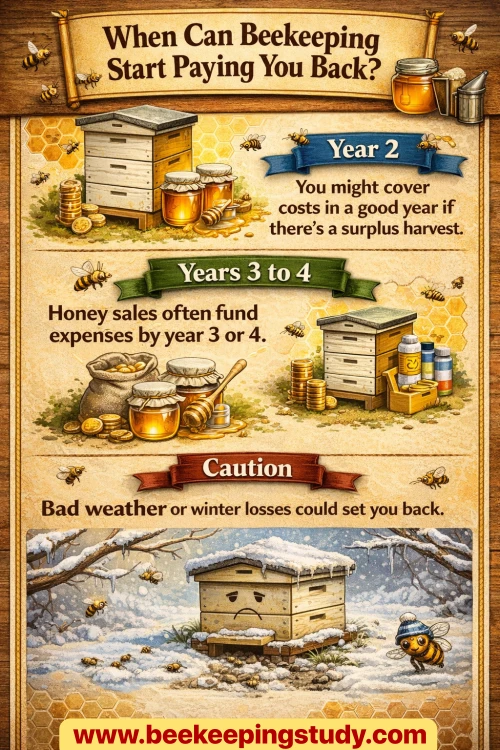
- Year 2: You might cover your recurring costs in a good season if you harvest a surplus.
- Year 3 to 4: Many hobbyists reach a “self-funding” point where honey money buys feed, treatments, and new boxes.
- Any year: A bad weather year or a winter loss can reset the math and force a replacement purchase.
Should You Start Beekeeping With One Hive or Two?
This is one of the first decisions that changes your budget, your learning speed, and your odds of making it through winter.
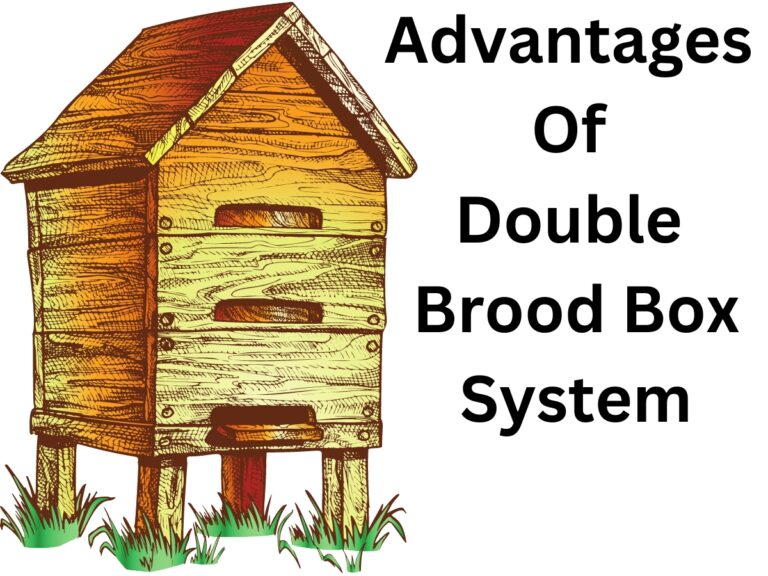
You can start with one hive. Some may consider the double brood box system, which can work well for starting with 1 hive.
But many experienced beekeepers and associations recommend starting with two because it gives you a built-in comparison and a safety net.
Why Many Experienced Beekeepers Recommend Starting with Two Hives?
There are several reasons behind expert beekeepers recommending getting started with two hives.
1) You can compare what “normal” looks like
- With two colonies side by side, you spot problems faster.
- If one hive is building up slower, you can notice it early instead of guessing.
2) You have a safety net for common beginner problems
- If one colony becomes weak, a second healthy colony can sometimes help you stabilize the situation.
- Two hives can reduce the “all or nothing” risk. If a single hive fails, your season can be over.
3) Better overwintering options
- Many beekeepers say two hives help with balancing stores and strength before winter.
- If one hive struggles, you still have another colony to carry into the next season.
4) You learn faster (without doubling your workload)
- Most of your tools and safety gear are shared.
- You are not buying everything twice. You are mostly adding bees and woodenware.
When starting with one hive can be the right choice
There are some easy identifications for which starting with 1 hive is mostly suitable.
Pick one hive if these are true for you
- Your budget is tight and one hive is what you can afford without cutting safety gear.
- You are short on time and want to learn the inspection routine first.
- You have limited space or local rules that make expansion harder.
If you start with one hive, do this to reduce risk
- Join a local beekeeping association or find a mentor so you have experienced help.
- Keep spare frames ready. New beekeepers often need an extra box and frames sooner than expected.
- Take mite monitoring seriously. A small issue can become a big issue quickly.
- Plan a second hive next season once you are comfortable.
- Choose the right number of brood boxes in the beehive and make sure to switch between them when required.
Cost difference: what you actually add when you go from 1 hive to 2
Starting with two hives is not double the cost because your suit, smoker, hive tool, and most small gear are shared. The “second hive add-on” is mostly bees plus hive parts.
| Second hive add-on | What you will usually buy | Typical add-on cost (USA) | Typical add-on cost (UK) |
|---|---|---|---|
| Bees | One nuc or one package | About $170 to $300 | Often about £250 to £350 (nuc prices vary by area) |
| Hive woodenware | Bottom board, brood box, supers as needed, inner and outer covers | About $150 to $350 | About £150 to £300 |
| Frames and foundation | Enough frames for brood box and at least one super | About $40 to $120 | About £30 to £90 |
| Health and feeding buffer | Extra feed and mite management budget | About $30 to $120 | About £25 to £90 |
Simple takeaway: In many beginner setups, the second hive often adds roughly $350 to $800 in the USA and roughly £300 to £800 in the UK, depending on whether you choose a nuc, how complete your hive kit is, and how much feeding and mite control your season requires.
My simple decision rule for beginners
Choose two hives if
- You can afford the second hive without downgrading safety gear.
- You want the best odds of success and a faster learning curve.
- You want a built-in comparison so you can diagnose issues more confidently.
Choose one hive if
- Your budget only supports one hive done properly.
- You are unsure about time, space, neighbors, or long-term commitment.
- You are happy treating year one as a learning season, then adding a second hive later.
If you are on the fence, a very common path is: start with one hive, learn the inspection rhythm, then add a second hive in year two.
If you can comfortably afford two from day one, many experienced beekeepers and associations consider two the sweet spot for beginners.
Tips To Reduce Beekeeping Cost
The best way to reduce beekeeping costs is to reuse things over and over and try to gather things as freely as possible. Here are some tips that will reduce your beekeeping costs.
- In your region, some beekeepers may sell their old hives, which are totally usable. To purchase an old hive, you will require less than half the price of a new beehive. The same thing goes for other necessary things, like purchasing a bee smoker and other hive tools. Make sure to check the tool and hives are in completely good condition.
- Plenty of resources are available to learn beekeeping for free. You will get everything you need to start beekeeping for free. But my suggestion is that if you have money, it is better to take a hand on course where you will learn every necessary thing practically.
- Don’t destroy your abandoned hive. You can reuse an abandoned beehive for a new nuc of bees or for other uses.
- If possible, you can also build a Langstroth hive on your own. This will minimize the cost to an absolute minimum.
- If you see bee swarms quite often in your region, you can catch them using a bee swarm trap. You can build your own bee swarm trap at a cost of as little as 10$ only.
If you are smart enough, you will be able to start things with an absolutely minimum amount of cost. But make sure the things you manage are absolutely safe and usable. It is not preferred to use risky materials for beekeeping to reduce the cost.
My Beekeeping Starter Cost
I started beekeeping in 2014. Things were much cheaper as of today. Here is my cost of beekeeping to get things started.
- I purchased an Apis Cerena Nuc from a local beekeeper in my region. I had to pay 30$ for this.
- I purchased a bee smoker with pellets and other hive tools at a cost of only 20$ from the local shop.
- My beekeeping suit was prepared by my mother. I only purchased a veil and beekeeping gloves. They cost about 10$.
- I made the Langstroth hive on my own. I got the plywood and almost every tool required to build the hive from our garage. So, the cost of my hive is negligible.
- I also built my quilt for bees, which required around 5$ only. Because most of the materials were already in my home.
So, you see, I have started my beekeeping journey with a cost of around $100. Thus, the cost of beekeeping depends on your approach andthe purpose of starting your apiary.
Frequently Asked Questions
If you have a small apiary like 1 to 5 hives you may not have to pay tax. For commercial beekeepers, who are generating money from beekeeping, might have to pay income tax. It is better to learn your government's rules about income taxes. It usually doesn't require much money to start a bee hive. You can start a bee hive for as little as 400$ or even less. You just have to gather things in a way that doesn't cost much. Make sure to follow my tips to reduce your beekeeping costs. If you are properly caring for your honey bees, beekeeping will pay you very soon. But in the first year, you can't expect decent amount.Does beekeeper have to pay tax?
Is it expensive to start a bee hive?
Does beekeeping pay for itself?
From the second year, you will be able make money by selling honey and bee products.
The Bottom Line
Hopefully, you have got an idea about “how much does beekeeping cost” to get the thing started. Remember, the cost will vary depending on your goal, region, and market situation.
If you have a large apiary, you will obviously require a large amount of cost. It is preferred to start from as few as 1 to 2 hives. If you have more money, you can increase the no. of hives with time.
On average, for a beginner, the beekeeping cost is 400$ to 1200$. If you are tricky enough, you will be able to reduce your starter cost.