
This post might be created with help from AI tools and carefully reviewed by a human (Anthor Kumar Das). For more on how we use AI on this site, check out our Editorial Policy. This post contains affiliate links. We may earn a small commission at no extra cost to you. Learn more.
Are Bees Afraid of Humans? The Truth Explained
Before I got into beekeeping, I asked several important questions to my mentor. One of them was, are bees afraid of humans? This was to know how comfortable bees feel when humans interact with them.
Because we all know that when bees are afraid of something, they will attack it for their safety. So, I did a lot of research and discussed this with many beekeepers.
At the beginning of my beekeeping, I had to wear a full beekeeping suit during each inspection.
With experience, I learned that bees aren’t disturbed by me. I started feeling like they started recognizing me and welcoming me during every inspection.
So, I started taking off my beekeeping suit. Mostly started inspections with a veil and any light color dress only.
Now I work with my bees without any protection, with a jacket only most of the time.
So, after this post, you will have the following concept clear.
- Are bees afraid of humans?
- How should you treat your bees to overcome bee phobia?
Can Bees Smell Fear?
Bees can smell fear by seeing movement or any sign of disturbance. If they see any activity around their colony that can be harmful to them. They will predict the danger and will attack.
Otherwise, they won’t do anything.
In my backyard, I allowed carpenter bees and other ground bees nesting sites. I also have a honey bee apiary. Sometimes in my region, I have seen other ground bee nests too.
I have seen that ground bees are usually not aggressive at all. But honey bees can be aggressive when they feel any danger.
I also noticed that only honey bees can smell fear in some cases. From my perspective, no other bees can smell fear until you attack them or their nest.
Whenever honey bees feel any threat, the queen is informed first. She will release a type of alarm pheromone. So, all other bees will come closer to the hive.
Then they will jointly try their best to protect the hive. So, they will start attacking and stinging the object that was harmful to them.
What Do Bees Afraid Of?
Bees are afraid of anything that can be harmful to them. Bees also do not like some colors and smells. So, whenever they find those smells or colors, they might become aggressive or fly away.
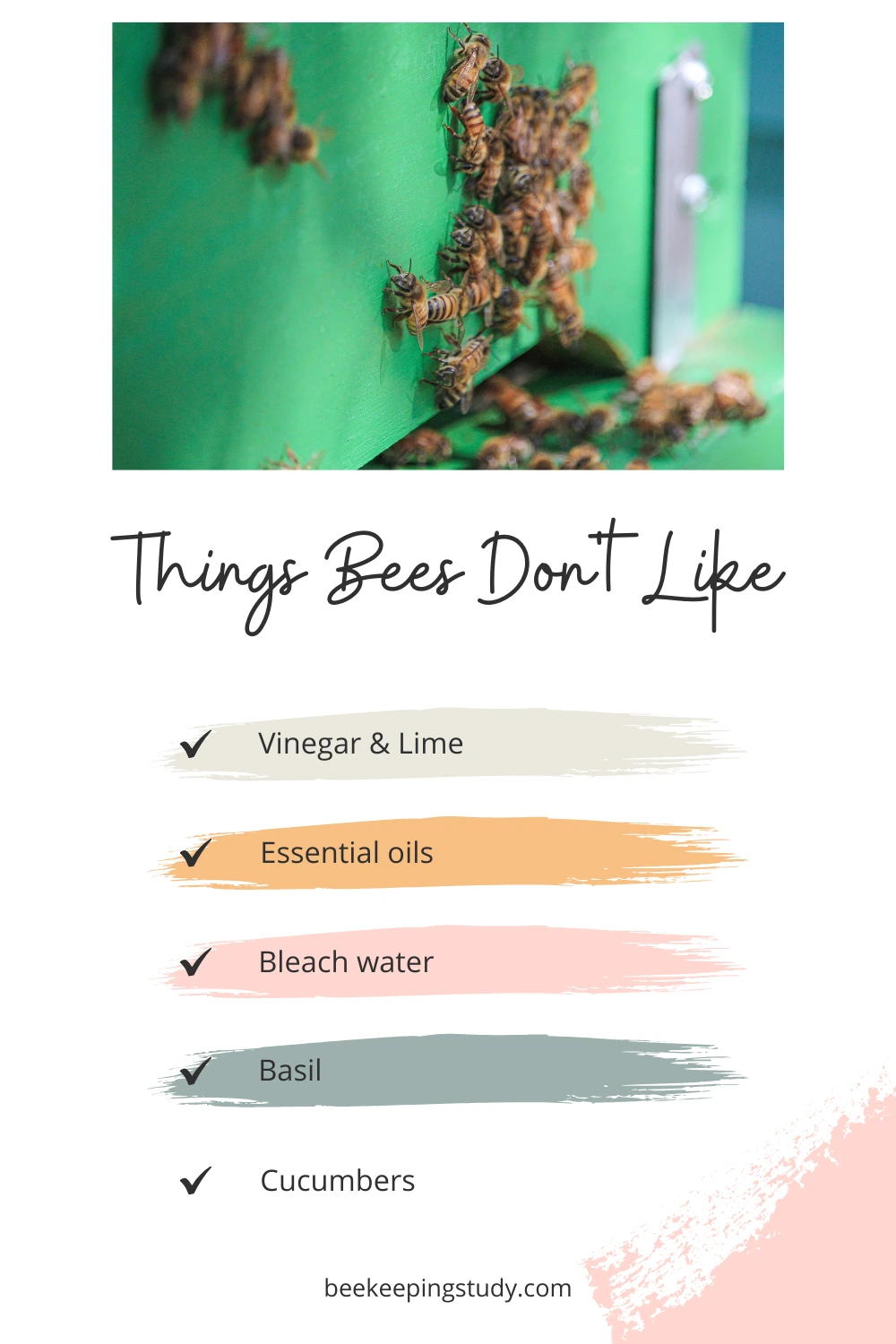
The following are the things that bees don’t like.
- Vinegar.
- Lime.
- Bleach water.
- Essential oils like lavender oil, lemon oil, etc.
There are plenty of plants bees don’t like, including:
- Cucumbers
- Basil
- Mint
- Cymbopogon nardus
- Eucalyptus
- Wormwood
So, if you are a beekeeper, make sure to avoid these things around your apiary.
Are Bees Afraid Of Humans?
Bees probably do not understand “human” as a category in the way we do. There is no research conducted claimed bees specifically fear humans.
However, bees will fear any “mammals” in general under certain circumstances. Because most of the honey bee predators are mammals.
The Rule is Simple: If you are nice to them, they won’t be afraid of you, they will be nice and calm. If you do activity that is alarming for them they will become aggressive and can attack you as well.

At the beginning of the post, I mentioned that I was very protective when I started my beekeeping. Because I was a stranger to them. Normally, they won’t like me at the beginning. But it is also true that they won’t dislike me either.
When my first nuc of bees arrived, I transferred the nuc to a full-sized hive. During this transformation, I saw that the bees were acting very aggressively. They were covering my whole suit and trying to sting me.
Fortunately, my beekeeping suit is very good quality. It provides efficient protection against bee stings.
Because I am forcefully transferring their colony from one place to another. Normally, they won’t like it. So, in this type of situation, you can say bees can smell fear.
After the nuc-to-hive transformation, I fed them with sugar syrup. I observed the bees become a little quieter after providing sugar syrup.
After a few days, I noticed that the bees were not behaving aggressively at all. They were just like they didn’t notice me and focused on their work.
I have seen several times teenage boys throwing stones at a beehive. Then a large force of bees starts chasing them and ends up stinging random people around.
In this case, initially, bees don’t have any idea about the upcoming danger. They suddenly get attacked.
So, without any command from the queen, they will run in the direction from which the stone came. In this situation, they will attack and sting any people or animals they find in that direction.
Lastly, I reached the conclusion that bees can smell fear when they see any activities around them that can be threatening to the colony. In other cases, they won’t be able to smell fear.
Also, only honey bees are capable of predicting the upcoming danger. No other type of bees can hardly smell fear in advance.
How Do Bees Smell Fear?
Honey bees and some bumblebees are social in nature. Honey bees have a barbed stinger.
They can only sting once in their life. If a honey bee stings you, it will die instantly or within a few moments.
Thus, bees won’t sacrifice their life until it got any threat from you. They know they will die after stinging, but they still sacrifice their life to protect the colony. This is what true patriotism is, isn’t it?
On the otherhand bumble bees can sting multiple times as they have a reusable stinger. However, their colony is not as big as a honey bee colony. Thus, they show less aggressiveness.
Most other ground bees are solitary in nature and show almost no to minimal aggressiveness.
Honey bees detect danger and smell fear via:
- Movement
- Color
- Vibration
- Touch
- Odour
- Dark moving shapes
- Disturbance near the nest
- Any blocking to their flight paths
A foraging bee usually escapes when threatened. Guard bees near a colony may instead approach, buzz, head-butt or sting. Scientists describe this more safely as an aversive or defensive response, rather than proving that the bee experiences human-like fear.
Therefore, a bee can behave as though it is frightened or threatened by a human. However, there is no evidence that it has a general psychological fear of people.
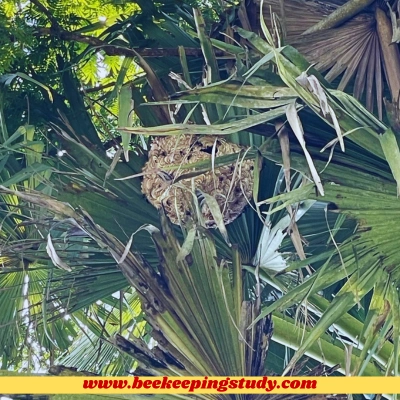
Most people misjudge wasps with bees. Wasps are very aggressive compared to bees. So, if you notice any wasp nest, don’t treat it like a honey bee nest.
Wasps can sting you even if you don’t disturb them. Always stay safe from a wasp nest.
Do Bees Ignore Humans?
Yes, when they find that any human is not a threat to them, they will ignore the human. But if they see any threatening activities from a human, they will attack the person.
Bees were behaving very aggressively at the beginning when I was interacting with them. After working for a few days with them, they came to know about me. So, they started recognizing me as a safe pattern.
They started ignoring me and considering me as not a threat to the colony. So, I also started working with them without any protective gear.
If you don’t run or move very fast when crossing a beehive, they won’t treat you as a danger. If you suddenly start running or moving too quickly, they might treat you as a danger.
The main thing is that if you try to be friendly with this teeny creature, they will also be friendly. So, don’t show any harmful activities around them.
Will A Bee Sting If It Lands On You?
No, a bee landing on you doesn’t mean she tries to sting you. If you stand still, she won’t sting you. If you try to swat, she will sting you within less than a second.

A bee can land on you for various reasons.
- She might be taking a break during a flight.
- She might want to thank you for inviting her into your garden or for feeding them sugar syrup.
Landing a bee on you doesn’t mean she tries to sting you. So, don’t panic.
Will A Bee Sting You If You Stay Still?
No, bees won’t sting you if you stay still. Bees usually sting someone when they are threatened by humans.
They consider fast-moving things as a harmful alarm. So, whenever bees fly around you or land on you, staying still will reduce the chance of getting stung.
What To Do If A Bee Lands On You?
When a bee lands on you or flies around you, it doesn’t mean she is trying to sting you. So, don’t panic. Here is what you can do.
- Stand still.
- Don’t move or swat.
- Try to blow slowly in the direction it was going. This is to help her taking the flight in the direction it was about to go.
So, never panic next time when a bee lands on you. Be nice to them, they won’t sting you.
Tips For Beekeepers to Overcome Bee Phobia
Hopefully, your concern about “are bees afraid of humans?” is clear. Now I would like to share with you some tips about treating bees.
Some people, including beekeepers, sometimes have bee phobia. Intense fear of bees is called apiphobia or melissophobia. Clinically, it falls under an animal-type specific phobia.
You can easily overcome fear of bees by practicing and keeping some tips in mind.
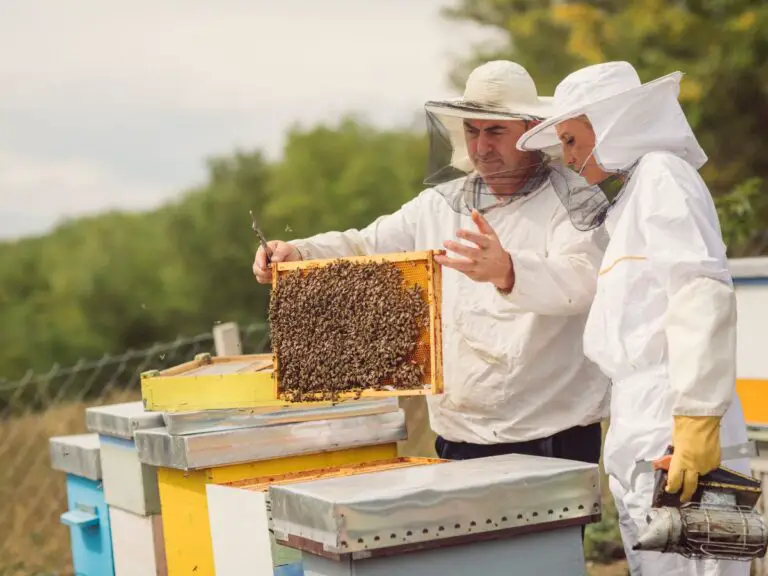
You might also think, do beekeepers get stung during hive inspection? My question to you is: have you ever seen any expert beekeeper interacting with bees without protective gear?
I don’t use protective gear as well nowadays. Then why don’t bees sting expert beekeepers?
The short answer is expert beekeepers also get stung by bees sometimes. But they know how to minimize the risk of getting stung by bees.
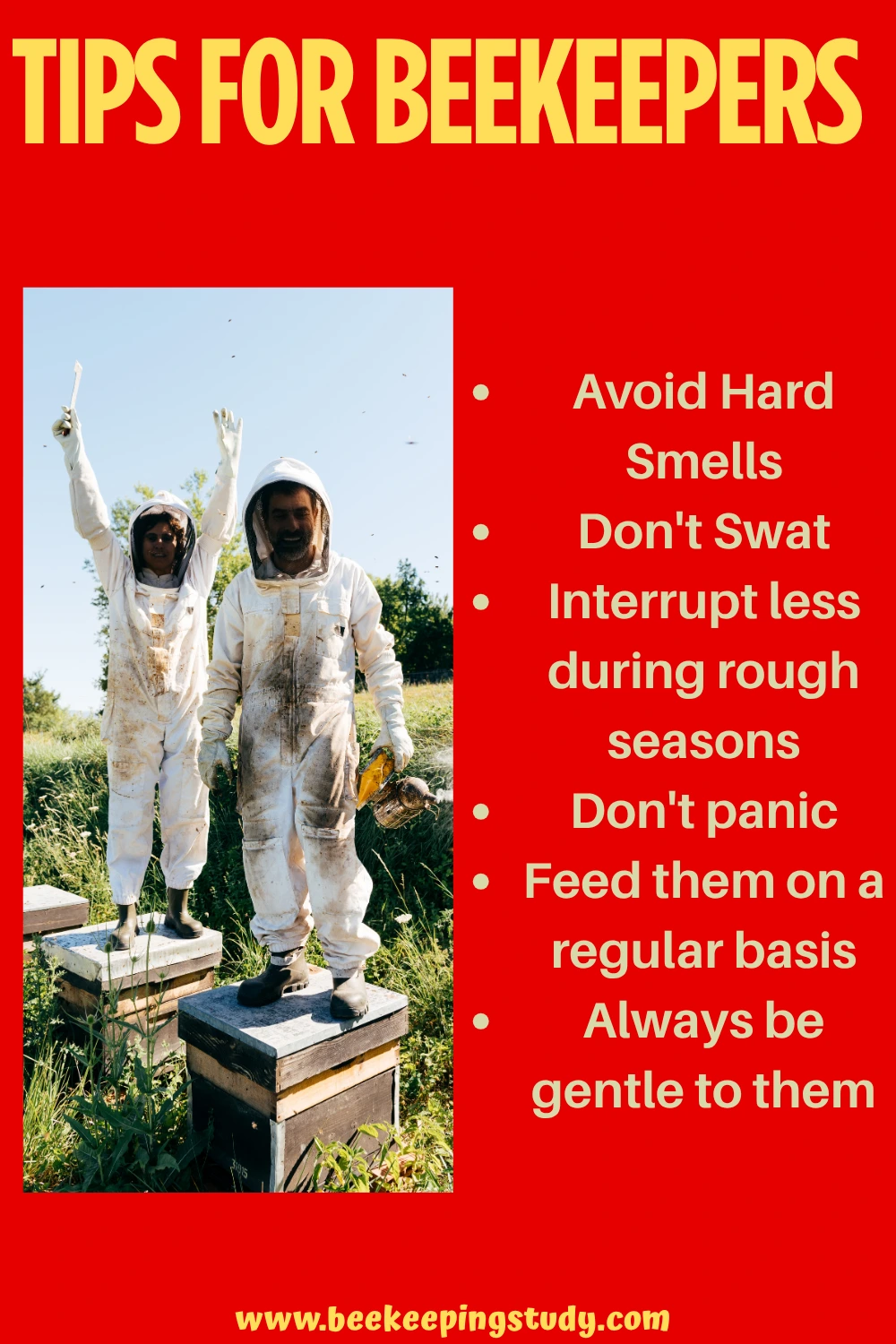
This is exactly what I am going to tell you now. These will help you remove the fear of bees or the bee phobia.
- Don’t use any hard-smelling perfume during a hive inspection or when passing by a beehive.
- If you want to use smell, then try sweet smells like beeswax or rosemary.
- Never swat your bees.
- Try to wear light color dress when approaching the hive. Don’t wear anything that has a deep color.
- Don’t try to interrupt the entrance and the flying path of bees through which bees return to the hive after collecting pollen.
- Feed them sugar syrup on a routine basis. Never leave the feeder empty.
- Be gentle with them, whatever you are doing. Don’t move things too fast in front of them.
- If you even get stung, don’t panic. If it hurts much, close the hive and treat it with first aid.
- Don’t run any oscillating or vibrating machine close to the apiary.
- Don’t play vibrating music with high volume near a beehive.
- During winter and fall, inspect less.
The last point is very important. Because during winter, bees really go through tough times.
Lack of food sources and excessive cold outside make them angry. So, if possible, try to avoid inspecting the hive during this season.
If your region is very cold during winter, you have to place a quilt box or a beehive moisture board in your beehives.
During fall, bees are more aggressive. The reason is a lack of flowers, and overpopulation makes them angrier. Bees can swarm away if proper care is not ensured.
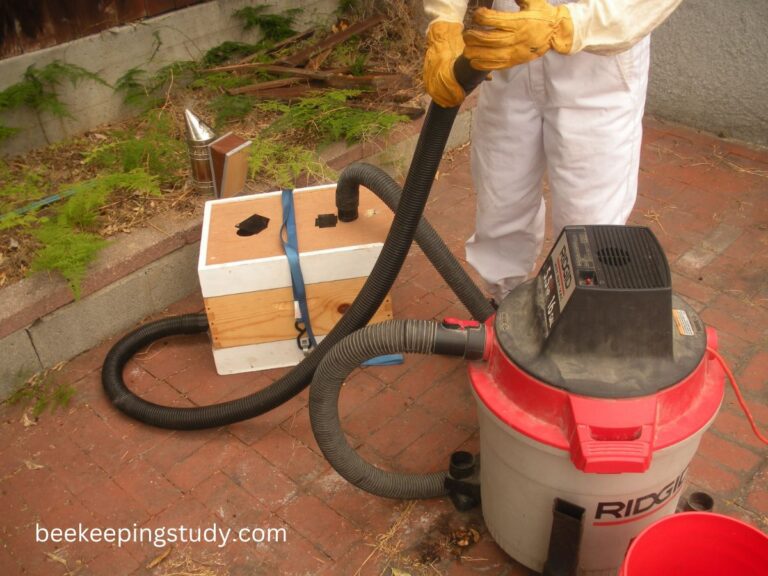
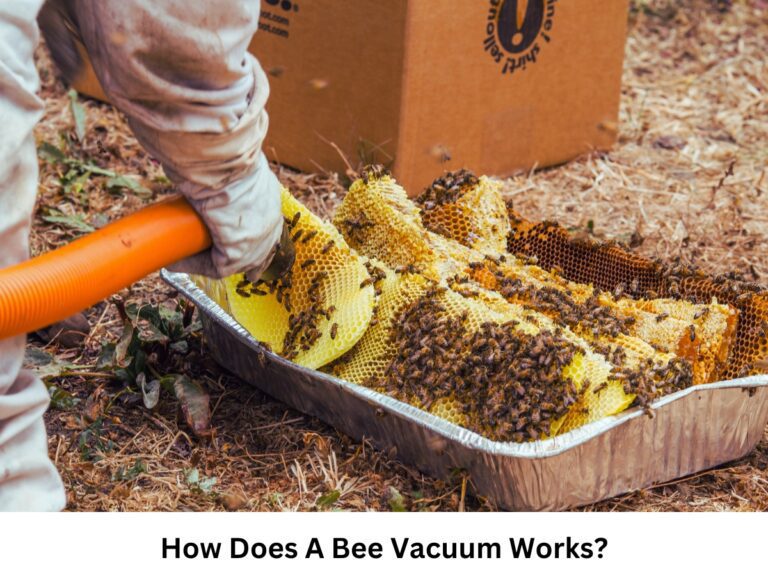
If your bees swarm somewhere else, use a homemade bee vacuum to safely catch and relocate them. Don’t approach them if you don’t have expertise.
Also, when the hive is in the breeding season, they don’t like interruptions. So, if you try to inspect the hive during this situation, it is common to see them being aggressive.
Also, sometimes a beehive can become queenless. It becomes worse for them. Because no honey bee colony is able to survive without a queen. So, you have to try to requeen the queenless hive as soon as possible.
So, if you can keep the above-mentioned things in mind, your bees might not be afraid of you anymore. Also, learning about their behavior will encourage you to help honey bees.
Spend more time with your bees. You will automatically learn when and what to do to help your bees.
Hopefully, very soon your bees won’t be afraid of you anymore. Instead, they will be loving you around them. Happy apiary!
Frequently Asked Questions
Are bees afraid of animals?
Bees aren't exactly afraid of animals, but they do keep their distance from large moving creatures. If an animal gets too close to the hive or behaves aggressively, bees may see it as a threat and defend themselves.
Will bees sting you if they sense fear?
No, bees don’t sense fear the way humans do. They react more to sudden movements, loud sounds, or strong smells. Staying calm and moving slowly is the best way to avoid getting stung.
Do bees scare people?
Yes, many people feel scared around bees, often due to fear of being stung. However, most bees are not aggressive and will only sting if they feel threatened or provoked.
Why do bees attack people?
Bees usually only attack to defend their hive. Fast movements, loud noises, or getting too close to their nest can make them feel unsafe. It’s their way of protecting their colony.