This post might be created with help from AI tools and carefully reviewed by a human (Anthor Kumar Das). For more on how we use AI on this site, check out our Editorial Policy.
Is Bee Pollen Vegan? Facts About The Superfood
Many people ask a simple question: Is bee pollen vegan? I had the same question when I first saw fresh pollen at a local apiary. It looked natural and powerful. But I was not sure if it fit a vegan or plant-based life.
Views are mixed in the vegan world. Some say no because bees make and carry it. Others who eat plant-based foods for health sometimes choose it.
In this guide, I explain what bee pollen is, how it is collected, and what vegan means in daily life. Then we will look at the main question, “Is bee pollen vegan?” in a fair and simple way.
What Is Bee Pollen
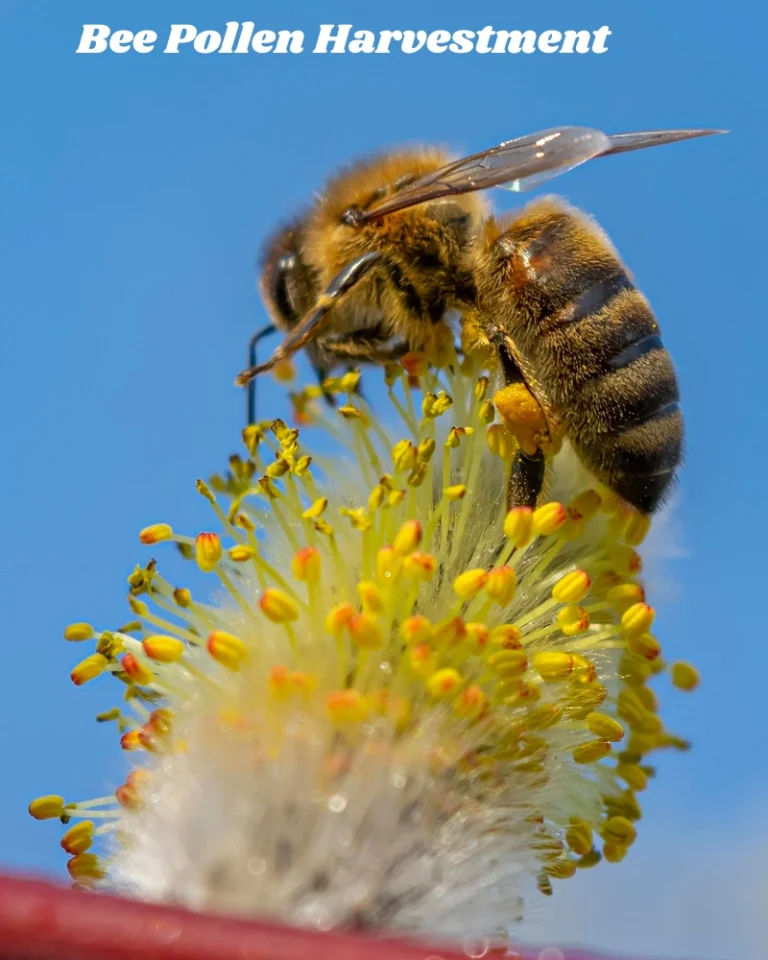
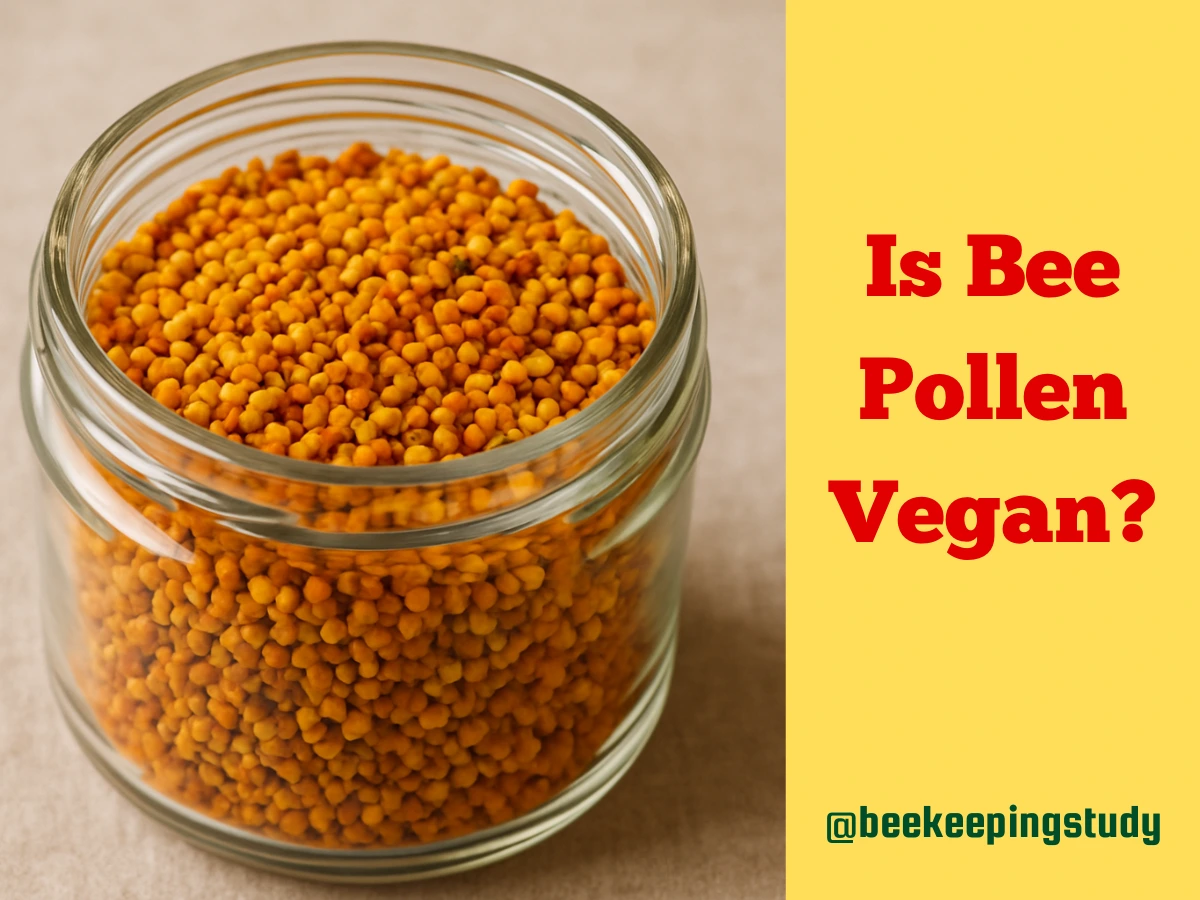
Bee pollen is flower pollen that bees gather from blooms. Bees mix the pollen with a little nectar and enzymes. They form tiny pellets on their hind legs (well known as pollen basket) and carry them back to the hive.
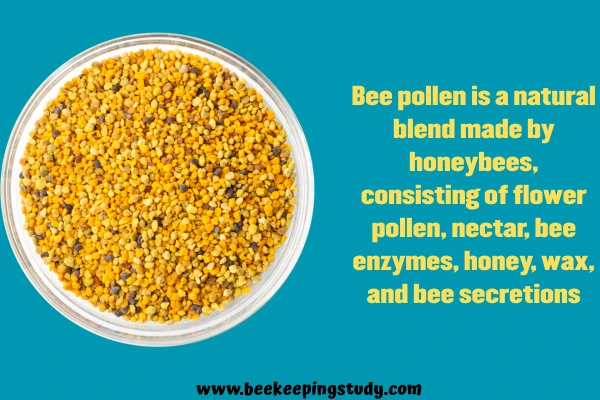
Beekeepers can place a gentle trap at the hive entrance to collect a portion of these pellets. A good beekeeper leaves plenty for the bees and only takes a part.
Fresh bee pollen has a soft, grain-like texture. The taste of bee pollen is floral and slightly sweet. It contains small amounts of protein, vitamins, minerals, and antioxidants. People keep it in the fridge to protect its quality.
What Does Vegan Mean in Practice
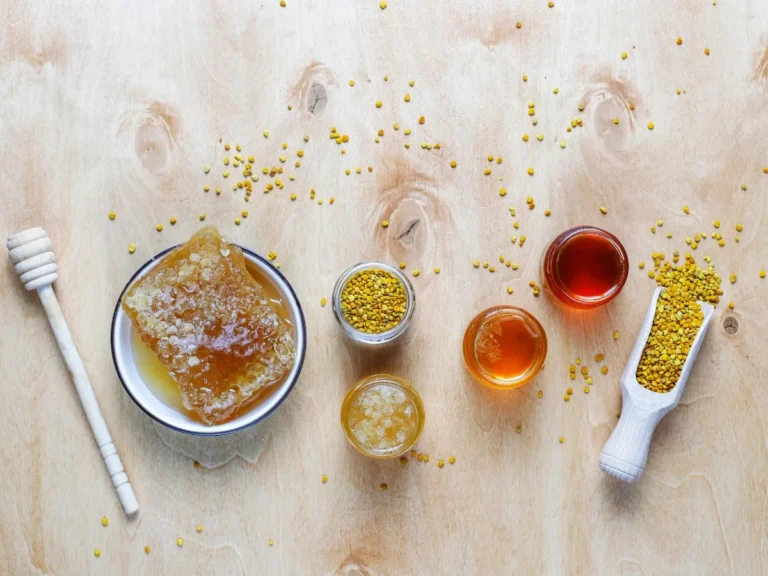
Most people define vegan as a life choice that avoids animal products and aims to reduce harm to animals. That includes food, clothing, and daily goods. Honey, royal jelly, and propolis are usually not considered vegan. They are made by bees and are taken from the hive.
Some people follow a plant-based diet for health first. They may still avoid meat and dairy but use bee products at times. Others follow a strict ethical vegan path and avoid all bee-derived products.
Both groups often use the word vegan, which can cause confusion. Knowing these differences helps you decide where bee pollen fits in your own life before we answer the main question.
Is Bee Pollen Vegan?
The short answer is no for most vegans. Bee pollen comes from the work of bees and is taken from the hive. Ethical vegans avoid bee products for this reason.
Some people who follow a plant-based diet for health still choose to use it. They see it as a nutrient-rich food from plants that bees helped collect. Your choice depends on your values and why you follow vegan or plant-based lifestyle.
I respect both views. If you avoid all bee products, that is a clear path. If you use bee pollen for health, please source it with care so the colony stays safe and strong.
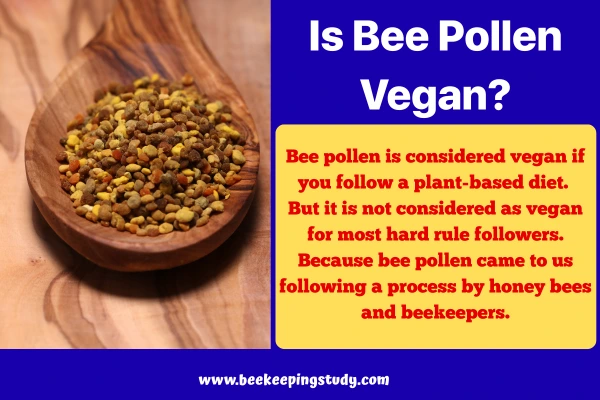
So, Is bee pollen vegan? Bee pollen is considered vegan if you follow a plant-based diet. But it is not considered as vegan for most hard rule follower vegans. Because bee pollen is produced by following some work by the honey bees and collected following processing by the beekeepers.
Is Bee Pollen Plant-Based But Not Vegan
Many readers use this middle label. Bee pollen is from flowers, so it is plant-based in content. It is not vegan by ethics since bees gather and carry it.
Some people on plant-based diets accept that line and use pollen for taste or nutrition. Others keep a strict vegan line and avoid it. Naming your choice helps you stay honest with yourself and with your readers.
Ethical Questions Around Bee Pollen
Well, bee pollen is an important part of honey bees food storage. However, mature honey bees don’t directly consume it. But it has a major impact on the honey bee colony.
Impact of Bee Pollen on Bees and the Colony
When beekeepers collect pollen, they remove part of the bees’ food. If too much is taken, the colony can get weak. Timing matters as well. Taking pollen during poor flow or cold months can stress the hive. Good care means leaving enough stores and watching colony strength.
Beekeeper Practices That Matter
If you are a beekeeper and collect bee pollen from a honey bee colony, you must be aware of some rules.
- Partial collection: Take only a small share. Leave most pollen for the bees.
- Right season: Collect during strong bloom when pollen is plenty.
- Colony health: Monitor brood pattern, food stores, and queen strength.
- Local focus: Small scale keepers often know each hive and adjust gently.
These steps lower stress on bees. They also raise trust for people who choose to use bee pollen.
If You Choose Bee Pollen, How to Source It Responsibly
If you are willing to purchase bee pollen, make sure to purchase fresh, raw, granular bee pollen. You can easily ensure you are getting the best quality bee pollen by keeping some things in mind.
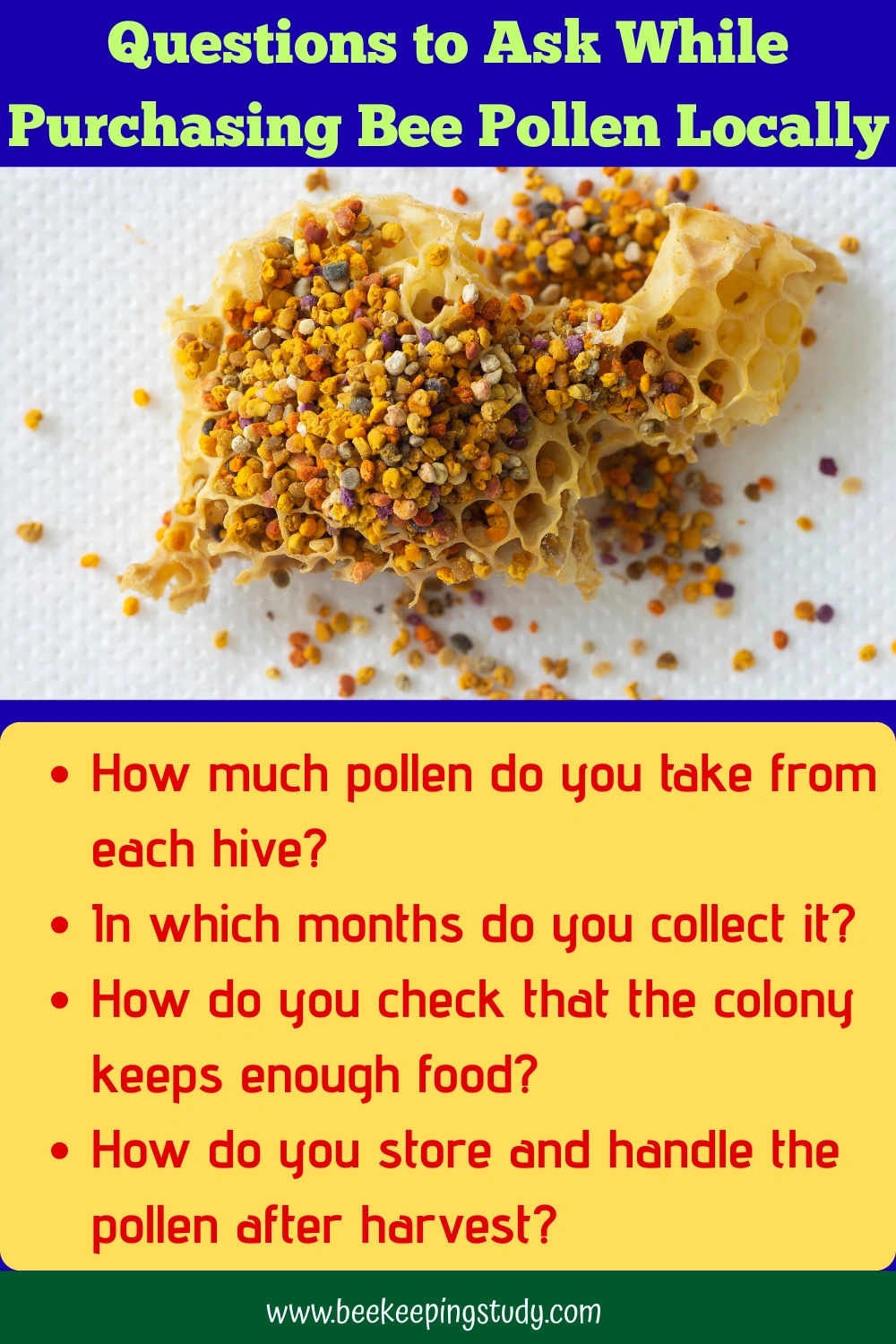
Questions to Ask Your Beekeeper
If you are collecting bee pollen from a local beekeeper, ask him these questions.
- How much pollen do you take from each hive?
- In which months do you collect it?
- How do you check that the colony keeps enough food?
- How do you store and handle the pollen after harvest?
What To Look For
While purchasing, make sure to check the following points.
- Local and fresh: Short supply chains and cool storage. Keep it in the fridge at home.
- Minimal processing: Cleaned and dried gently, not heated hard.
- Bee first approach: The keeper leaves plenty for bees and avoids harvest in poor flow.
- Transparent practices: Willing to show hive care and answer questions.
If these boxes are not met, consider skipping it or choosing vegan alternatives in your diet.
Labeling and Vegan Claims
Most bee pollen is not labeled vegan. It comes from hives and bee work. Some brands use plant-based on the label, but that is not the same as vegan. Read the label with care. If strict vegan ethics are your goal, choose non-bee alternatives.
Vegan Alternatives to Bee Pollen
Bee pollen has plenty of benefits for overall health. However, if you want the benefits without bee products, there are many options. You can combine a few foods to mirror the nutrients found in pollen.
- Spirulina or chlorella: Rich in protein and micronutrients.
- Nutritional yeast: B vitamins and a mild savory taste.
- Ground flax or chia: Fiber and omega 3 fats.
- Hemp hearts: Easy protein and healthy fats.
- Mixed seed blend: Pumpkin, sunflower, sesame for minerals.
Rotate these throughout the week. Add them to smoothies, oatmeal, or salads for steady results.
Nutrition Notes and Common Claims
Bee pollen contains protein, vitamins, minerals, and antioxidants. The exact values can vary by plant source and season.
Bee pollen is good for humans for plenty of reasons. However, it is a food, not a cure. Treat it like a small boost to a balanced diet.
Taking bee pollen the right way can benefit you in several aspects.
- Energy support: Some people feel steady energy with daily use.
- Skin and hair: Antioxidants may help overall wellness. Thus, bee pollen is considered a healing for skin and overall well-being.
- Immune balance: Results differ by person. Consistency matters.
If you need targeted therapy, speak with a professional. Food can support health, but it does not replace medical care. If you are planning to add bee pollen to your recipes start with small dosages.
Safety, Allergies, and Who Should Avoid It
Bee pollen has plenty of benefits for hair, skin, and overall well-being. However, it is not for everyone. Safety comes first.
- Allergies: Avoid if you are allergic to pollen or bee products. Test a tiny amount first if unsure.
- Pregnancy and nursing: Consult with a doctor before consuming bee pollen during pregnancy.
- Medical conditions: If you take medicines or have chronic issues, seek advice first.
- Children and elders: Start with very small amounts and watch for any reaction.
Note: In most cases, bee pollen heals fast while recovering from injury. Still would suggest consulting a doctor first in such case.
Stop use at once if you feel itching, swelling, rash, or trouble breathing. Get help right away.
Frequently Asked Questions
It depends on harvest methods. Ethical keepers take only a small share and time it during strong bloom. Even so, strict vegans still avoid it due to bee involvement. Some plant based users say yes for health reasons. Ethical vegans say no due to bee use. Define your own line and stay consistent with your values. Both come from hives. Most vegans avoid honey and pollen alike. People who are plant based for health may choose either with care.Is bee pollen cruelty free?
Is bee pollen okay on a plant based diet?
Is honey vegan and is bee pollen different?
How I Made My Choice
When considering the question Is bee pollen vegan or not? I respect both sides. I spoke with local keepers and watched their hive care. I chose only to use pollen when colonies were strong and bloom was high.
I used small amounts and kept most days plant only. If you feel unsure, use the vegan alternatives above. Your health and your ethics both matter.
I am a beekeeper, but I have not collected pollen from my hives yet. I plan to start soon. When I do, I will share an update in a new article.
Bee pollen sits on the line between plant nutrition and bee ethics. If you follow strict vegan rules, choose seed and algae blends instead.
If you choose to use pollen, support careful local keepers and keep portions small. Make a choice that fits your values and your health, and treat others with respect if their line is different from yours.